Authentic Agriturismo Dining Near Tuscany’s Golf Destinations
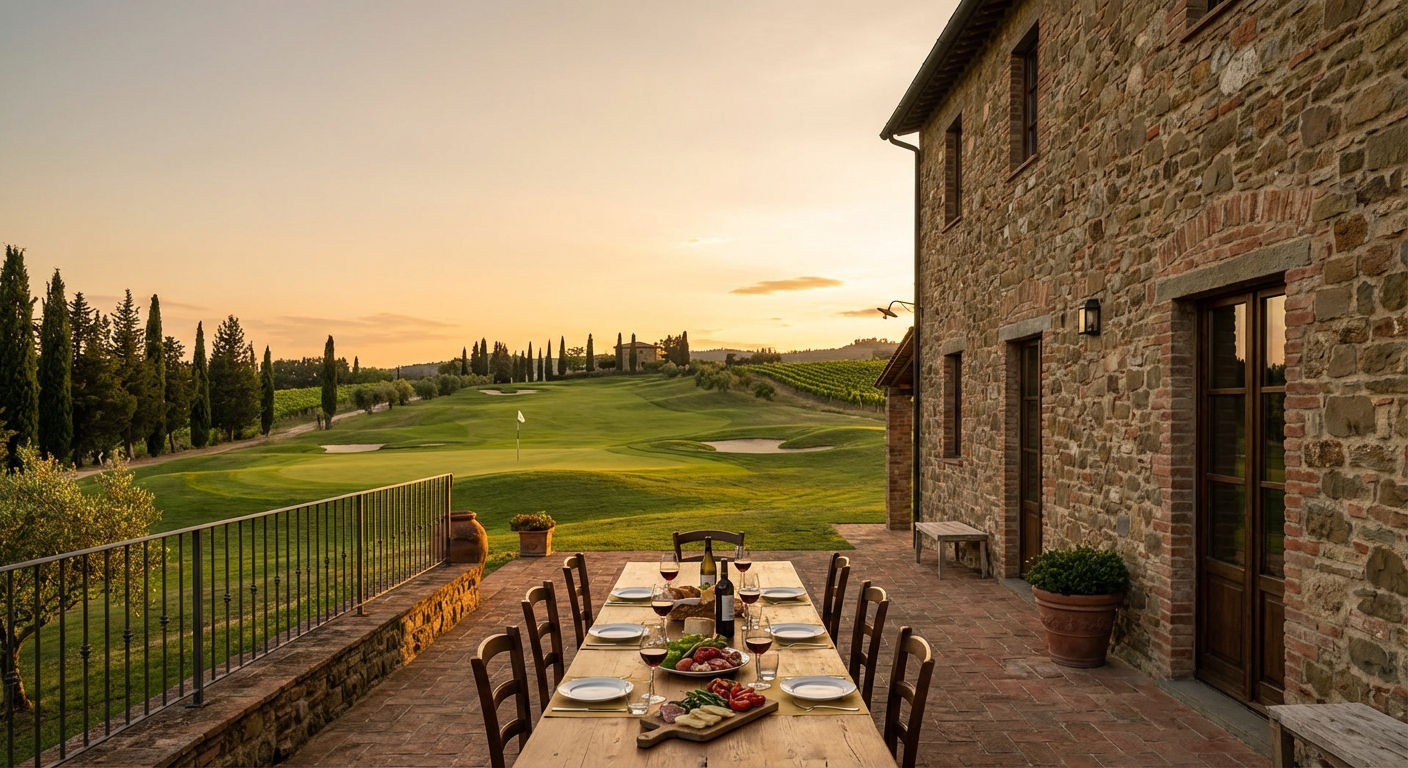
You’ve just finished 18 holes at a stunning Tuscan golf course. The sun is setting over cypress-lined fairways. Your body craves something more substantial than clubhouse fare. You want real food, grown on real land, prepared by people who’ve been farming these hills for generations. That’s the agriturismo promise, and it’s waiting just minutes from the region’s finest courses.
Agriturismo restaurants near Tuscany golf courses offer authentic farm-to-table dining within 15 minutes of major courses. These working farms serve estate-grown ingredients in rustic settings, require advance booking, and typically cost €35-50 per person. Most operate Thursday through Sunday evenings, close Mondays and Tuesdays, and welcome golfers in casual attire. Pair your round with genuine Tuscan hospitality.
What makes agriturismo dining different from regular restaurants
An agriturismo isn’t just a restaurant with a farm theme. Italian law requires these establishments to generate at least 51% of their income from agricultural activities. The food on your plate must come primarily from the property or neighbouring farms within the same region.
This legal framework changes everything about your meal. The chef can’t simply order from a distributor. They work with what the land provides that season. Spring brings tender artichokes and wild asparagus. Summer delivers sun-ripened tomatoes and courgettes. Autumn means porcini mushrooms and game. Winter features hearty ribollita and slow-braised meats.
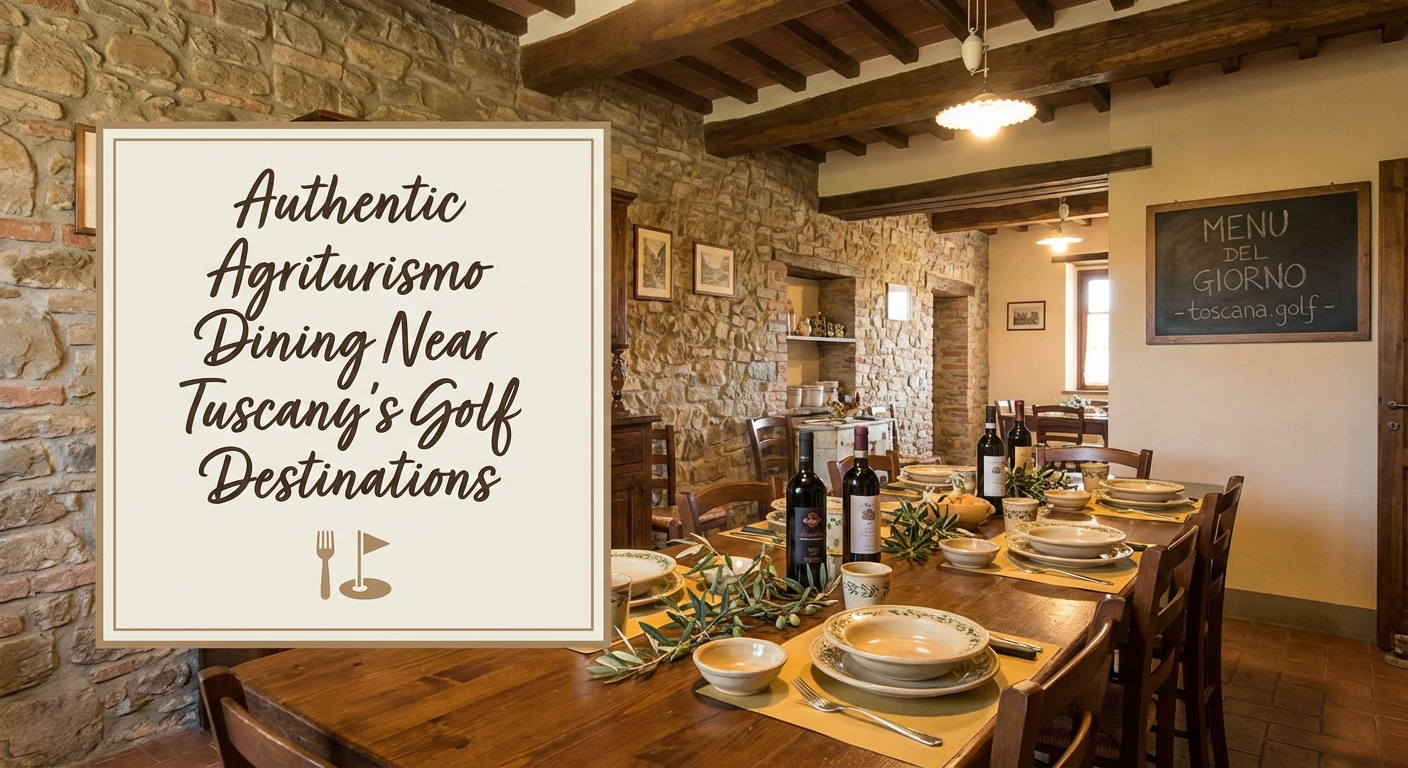
The atmosphere differs too. You’re eating in a converted barn, a centuries-old farmhouse, or under a pergola overlooking olive groves. Tables are often communal. Service is warm but unhurried. This isn’t fine dining in the formal sense. It’s something more fundamental.
Most agriturismi near golf destinations operate as family businesses. The grandmother makes pasta by hand. Her son manages the vineyard. His daughter serves at table. You’re not just a customer. You’re a guest in their home.
Finding agriturismo restaurants within striking distance of golf courses
Geography matters when you’re planning post-round dining. You don’t want to drive 45 minutes after spending five hours walking fairways.
The Florence area offers the densest concentration of options. Best golf courses near Florence for combining culture with your game sit within easy reach of dozens of working farms. Ugolino Golf Club pairs naturally with agriturismi in the Chianti hills just south of the city.
The Chianti region itself presents exceptional opportunities. Playing golf in Chianti: where vineyards meet fairways means you’re already surrounded by wine estates that serve meals. Many operate restaurants open to non-guests.
Southern Tuscany requires more planning. The courses are more spread out. But hidden gem golf courses in southern Tuscany away from tourist crowds often have agriturismo partnerships. Ask the pro shop for recommendations. They know which farms welcome golfers and which prefer advance notice.
The Maremma coast blends golf with agricultural tourism beautifully. Why Maremma is Tuscany’s hidden gem for golf and coastal luxury extends to its dining scene. Coastal farms specialise in vegetables, olive oil, and increasingly, water buffalo for mozzarella.
“The best agriturismo experiences happen when you arrive with realistic expectations. You’re not booking a Michelin-starred tasting menu. You’re sharing a family meal made from ingredients picked that morning. The simplicity is the point.” – Marco Bianchi, agriturismo consultant and former golf resort manager
How to book and what to expect when you arrive
Agriturismo dining requires more planning than typical restaurant visits. Most don’t accept walk-ins, especially during peak season from April through October.
Booking process step by step
-
Contact the agriturismo at least 48 hours ahead, preferably three to five days for weekend dining. Many don’t use online reservation systems. Phone or email works best.
-
Specify any dietary restrictions during booking, not upon arrival. Kitchens prepare set menus based on expected guests. Last-minute changes aren’t always possible.
-
Confirm the meal time and format. Some agriturismi serve at fixed hours, typically 19:30 or 20:00. Others offer flexibility but need to know when you’re coming.
-
Ask about the menu structure. Most offer a set multi-course meal rather than à la carte. Knowing this prevents confusion when you arrive.
-
Get clear directions and save them offline. Rural properties don’t always appear correctly on GPS. Having written directions prevents late arrivals.
Expect a different pace than restaurant dining. Meals unfold over two to three hours. Courses arrive when they’re ready, not on a tight schedule. The experience rewards patience.
Dress codes are relaxed. Golf attire works perfectly fine. You might want to change shoes if you’ve been walking in soft spikes, but collared shirts and golf trousers fit right in.
Payment often happens at the end, sometimes in cash only. Check payment methods when booking. Rural areas don’t always have reliable card readers.
What you’ll actually eat at an agriturismo near golf courses
Menus follow a traditional Tuscan structure, adapted to what’s currently harvestable.
Typical meal progression:
- Antipasti featuring cured meats from the farm, crostini with chicken liver or mushroom spreads, and marinated vegetables
- Primi of fresh pasta, often pici with garlic and tomato or pappardelle with wild boar ragù
- Secondi showcasing grilled meats, typically bistecca fiorentina or roasted pork with herbs
- Contorni of seasonal vegetables, prepared simply with olive oil and salt
- Dolci that might be cantucci with vin santo or a simple panna cotta
Portions are generous. This is agricultural country where physical work demands substantial fuel. Pace yourself through the antipasti or you’ll struggle with the pasta course.
Wine usually comes from the estate. It won’t have fancy labels or high scores from critics. It will taste honest and pair naturally with the food because the grapes grew in the same soil that fed the vegetables on your plate.
The table below shows common seasonal ingredients and their peak availability near Tuscany golf destinations:
| Season | Primary Ingredients | Signature Dishes |
|---|---|---|
| Spring | Artichokes, fava beans, wild asparagus, lamb | Panzanella, grilled lamb chops, artichoke frittata |
| Summer | Tomatoes, courgettes, aubergines, peppers | Pappa al pomodoro, ribollita, grilled vegetables |
| Autumn | Porcini, chestnuts, game, grapes | Pappardelle with boar, roasted chestnuts, grape focaccia |
| Winter | Cavolo nero, root vegetables, citrus, pork | Ribollita, braised pork, citrus salads |
Common mistakes golfers make with agriturismo dining
Showing up without booking. This rarely works, especially Thursday through Sunday. Kitchens prepare based on confirmed numbers. Unexpected guests create genuine problems.
Expecting menu choices. Most agriturismi serve what they’ve prepared that day. Asking for substitutions or alternatives misses the point of the experience.
Rushing the meal. If you need to eat and leave within 90 minutes, choose a regular restaurant. Agriturismo dining takes time by design.
Ignoring seasonal closures. Many farms close January through March, or operate limited schedules. Always confirm they’re open before planning your visit.
Assuming English is spoken. Rural properties often operate in Italian only. Having translation apps ready or bringing an Italian-speaking friend helps enormously.
Overlooking the driving situation. Wine flows freely at agriturismo meals. Designate a driver or arrange transport back to your accommodation. Rural roads at night aren’t forgiving.
Pairing your golf itinerary with agriturismo experiences
Strategic planning lets you combine championship golf with authentic dining without excessive driving.
If you’re staying at 5 Tuscan resorts that perfectly blend championship golf with spa luxury, ask the concierge for agriturismo recommendations. Many resorts maintain relationships with nearby farms and can handle bookings.
How to plan a week-long golf holiday in Tuscany without the stress should include at least two agriturismo dinners. Space them throughout your trip rather than clustering them together. This prevents menu fatigue and lets you experience different regional styles.
Consider the location of championship golf courses in Tuscany that challenge even seasoned players when selecting agriturismi. Playing Castelfalfi in the morning positions you perfectly for lunch at farms in the Val d’Elsa. An afternoon round at Poggio dei Medici sets up dinner in the Mugello hills.
The ultimate Tuscany golf and wine tour itinerary for couples gains depth when you add working farm visits. Many agriturismi offer brief property tours before meals. You’ll see the olive press, walk through the vineyard, and meet the animals that contribute to your dinner.
Regional variations in agriturismo style near different golf areas
Not all agriturismi offer identical experiences. Regional differences reflect local agricultural traditions and proximity to tourist infrastructure.
Florence and Chianti areas feature the most polished operations. These farms have been hosting visitors for decades. Service is professional. Facilities are well maintained. English is commonly spoken. You’ll pay slightly more, typically €45-55 per person, but reliability is high.
Maremma coastal region agriturismi lean toward seafood and vegetables. The proximity to the Mediterranean influences menus. Expect lighter dishes, more fish, and creative uses of coastal herbs. The atmosphere tends to be more casual, reflecting the beach culture.
Val d’Orcia and southern areas maintain the most traditional approach. These farms feel less touristed. Menus stick closely to historical recipes. Service might be less polished but more genuine. Prices run €35-45 per person. Language barriers are more common.
Mugello and northern areas specialise in mountain cuisine. Heartier dishes, more game, and robust flavours dominate. These agriturismi attract Italian guests from Florence seeking weekend escapes. That local clientele ensures authenticity.
Practical considerations for booking during golf season
Peak golf season in Tuscany runs April through June and September through October. These months create competition for agriturismo tables.
Book at least one week ahead during these periods. Popular farms near major courses fill up quickly, especially for Friday and Saturday dinners.
Consider midweek dining. Tuesday, Wednesday, and Thursday evenings offer better availability. Many agriturismi close Mondays. Some also close Tuesdays. Always confirm operating days.
Lunch service exists at some properties but isn’t universal. If you want a midday agriturismo meal after a morning round, verify they serve lunch. Many only offer dinner service.
Group size matters. Parties of six to eight often get better treatment than couples. Agriturismi are set up for family-style service. Larger groups fit their operational model better.
Best time to visit Tuscany for golf: seasonal weather and course conditions guide applies equally to agriturismo dining. Spring and autumn provide optimal conditions for both activities. Summer heat can make lengthy outdoor meals less comfortable. Winter limits both golf and farm restaurant options.
Alternative dining options when agriturismi are fully booked
Sometimes despite your best planning, your preferred agriturismo can’t accommodate you. Having backup options prevents disappointment.
Michelin-starred restaurants near Tuscany’s premier golf courses offer a different but equally memorable experience. The cooking is more refined, the service more formal, but the commitment to local ingredients often matches agriturismo standards.
The art of the 19th hole: Tuscany’s most luxurious golf clubhouse experiences have improved dramatically in recent years. Some clubhouses now serve excellent meals featuring local products. The convenience of staying on property after your round has genuine appeal.
Where to find Tuscany’s best wine pairings after your round includes wine bars and enoteche that serve substantial food alongside their wine selections. These venues bridge the gap between casual and formal dining.
Village trattorias near golf courses provide solid alternatives. They’re not agriturismi, but good ones source locally and cook traditionally. Ask golf course staff for their personal favourites. They eat in the area regularly and know which places maintain quality.
Why this matters for your Tuscany golf holiday
Golf trips to Tuscany shouldn’t separate sport from culture. The region’s appeal lies in how seamlessly activities blend together. Morning golf, afternoon wine tasting, evening farm dinner. Each element enhances the others.
Agriturismo dining connects you to the landscape you’ve been playing through. Those olive groves lining the fairway? You’ll taste their oil at dinner. The vineyard visible from the 14th tee? Its wine will accompany your bistecca.
This integration creates richer memories than golf alone. Years later, you’ll remember not just your score but the family who served you dinner, the view from their terrace, the taste of tomatoes that actually tasted like tomatoes.
Planning your first golf holiday in Tuscany: everything you need to know should include agriturismo research alongside course selection. The two decisions inform each other. Where you play influences where you can eat. Where you want to eat might determine which courses you prioritise.
The investment is modest. For roughly the cost of a nice restaurant meal anywhere, you get an experience that’s impossible to replicate outside rural Tuscany. That value proposition makes agriturismo dining one of the smartest additions to any golf itinerary.
Making agriturismo dining a highlight of your golf trip
Start your planning by identifying which courses you’ll play. Map them out. Then research agriturismi within 15 minutes of each course. Create a shortlist of three to four options per golf destination.
Contact them early in your planning process. Explain you’re visiting for golf and would like to book dinner. Most farm families appreciate golfers. You’re typically well-behaved, genuinely interested in local culture, and willing to spend appropriately.
Be flexible with timing. If your preferred agriturismo can only accommodate you at 19:00 instead of 20:00, adjust your schedule. The experience is worth minor inconvenience.
Bring curiosity and appetite. Ask questions about the food, the farm, and the family. Most hosts love sharing their story. That engagement transforms a meal into something more meaningful.
Take your time. Let the evening unfold at its natural pace. You’ve spent the day pursuing a ball around manicured grass. Now you’re sitting under Tuscan stars, eating food that grew within sight of your table, surrounded by people who’ve been farming this land for generations. There’s nowhere else you need to be.