How the Pisan Hills Combine Golf with Tuscan History
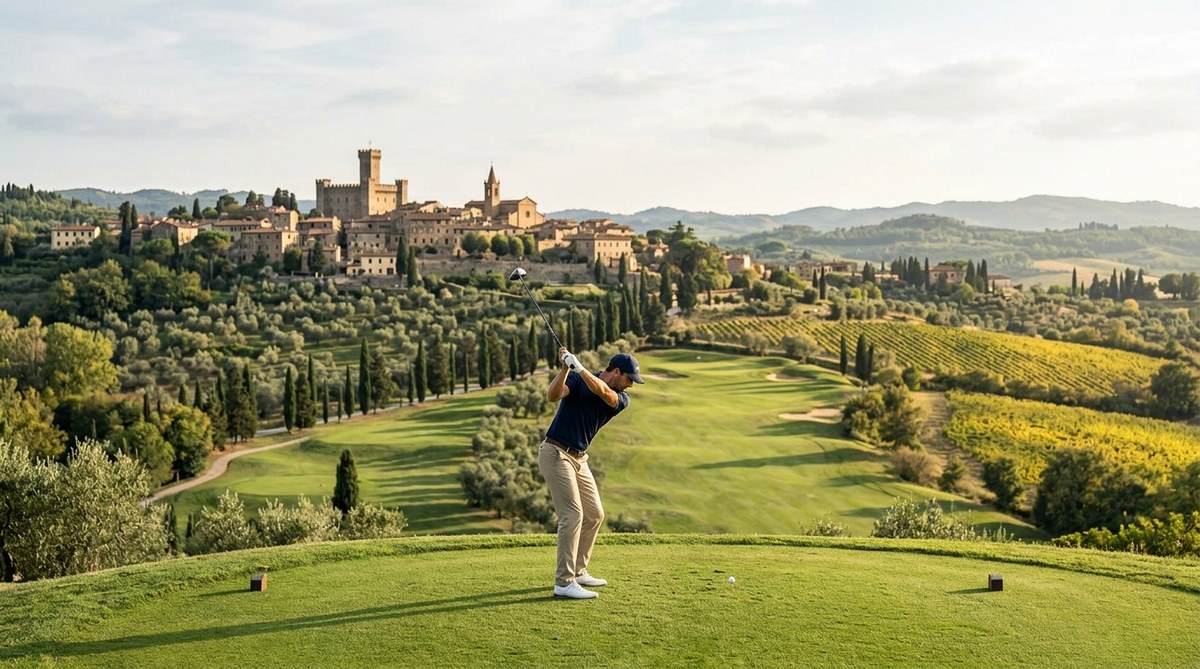
Imagine teeing off on a fairway that winds through olive groves and cypress trees, with a medieval hilltop town visible in the distance. That is the reality of playing golf in the Pisan Hills, a region where every round feels like a journey through centuries of Tuscan history. For the traveller who wants more than just a good score, this corner of Tuscany offers something rare: the chance to walk in the footsteps of Etruscans, Roman legionaries, and Renaissance artists, all while enjoying some of Italy’s most thoughtfully designed courses.
The Pisan Hills blend championship golf with authentic Tuscan heritage. Courses here are set among ancient olive terraces, Roman roads, and medieval villages. You can play 18 holes in the morning, then explore a 12th-century castle or a Renaissance villa by afternoon. This guide shows you the best courses, how to combine sport with culture, and what to pack for a seamless 2026 golf holiday.
Why the Pisan Hills Are a Golfer’s Dream
Tuscany’s Pisan Hills (Colline Pisane) stretch south of the city of Pisa, rising gently from the Arno valley towards the heart of the region. Unlike the more famous Chianti or Val d’Orcia landscapes, this area remains delightfully understated. You will not find coach parties here. Instead, you will find winding roads, family-run trattorias, and golf courses that sit within working farms and historic estates.
The land itself tells a story. Etruscan settlements once dotted these slopes. The Romans later built straight roads to connect their colonies. In the Middle Ages, rival city states fortified hilltops. All of that history remains visible today. When you play golf in Pisan Hills Tuscany, your round might pass beside a section of ancient Roman paving or end with a view of a castle that dates back to the 11th century.
This is not a place for sterile, flat courses. The topography demands thoughtful shot selection. You will hit uphill approaches to greens that sit on natural plateaus, and you will face doglegs that force you to shape the ball around centuries old olive trees. The result is a game that feels both challenging and deeply connected to the land.
The Courses That Define Golf in Pisan Hills Tuscany
Several courses stand out in this region. Each offers a distinct character, but all share a commitment to preserving the surrounding heritage. Below is a comparison of the three main courses you should consider for your 2026 itinerary.
| Course Name | Key Feature | Historical Connection | Best For |
|---|---|---|---|
| Golf Club Garlenda | 27 holes, parkland style | Course sits on former Medici hunting grounds | Strategy and variety |
| Golf Club La Pinetina | 18 holes, forest setting | Built around an ancient Roman road | Scenic walks and wildlife |
| Golf Club Castelfalfi | 27 holes, mountain views | Part of a restored medieval village | Combining golf with a stay |
Let us look at each one in more detail.
Golf Club Garlenda is the most established course in the area. Its fairways are lined with pine and oak trees, and water comes into play on several holes. The clubhouse occupies a beautifully restored farmhouse, and the atmosphere is relaxed yet refined. Many visitors pair a round here with a trip to the nearby town of Volterra, famous for its Etruscan walls and alabaster workshops.
Golf Club La Pinetina offers a more intimate experience. The course weaves through a forest of maritime pines, and the silence is broken only by the sound of your club striking the ball. On the 7th hole, you can see the remains of a Roman road that once connected Pisa to the coast. It is a subtle reminder that you are playing on land that has been travelled for over two millennia.
Golf Club Castelfalfi is part of a larger resort that has been carefully restored by a German developer. The course climbs and drops through the hills, offering panoramic views of the surrounding countryside. The village centre, with its chapel and piazza, has been brought back to life. You can stay in a converted farmhouse, play 18 holes, and then walk to a local restaurant for a meal of pappardelle al cinghiale.
For a broader perspective on the region’s top layouts, read our guide to championship golf courses in Tuscany that challenge even seasoned players.
How to Plan Your Perfect Day: Golf and History
Balancing sport with sightseeing requires a little organisation. The Pisan Hills are compact, so you can fit a lot into a single day. Here is a practical plan that works well:
-
Morning round (08:30 to 12:30). Tee off early to avoid the heat. Most courses in the region offer morning tee times that finish before lunch. Choose a course that is close to a historic site. For example, after playing Golf Club Garlenda, you can drive 20 minutes to Volterra.
-
Lunch and cultural break (13:00 to 15:00). Stop at a local agriturismo for a simple meal of cured meats, pecorino cheese, and a glass of Chianti. Then visit the nearby historic site. In Volterra, spend an hour at the Roman theatre or the Etruscan museum. In San Miniato, climb the Rocca tower for views over the hills.
-
Afternoon exploration (15:30 to 18:00). Visit a second site, perhaps a winery or a medieval church. Many estates offer tours that explain the region’s agricultural history. You can also take a stroll through a village like Lari, known for its cherry farms and castle.
-
Evening relaxation (19:00 onwards). Return to your accommodation for a shower and an aperitivo. Then enjoy a late dinner. Tuscan kitchens serve dinner from around 20:00. Choose a restaurant that sources ingredients from the local area. The Pisan Hills are famous for their truffles, wild boar, and extra virgin olive oil.
This schedule works for any length of stay. If you have a full week, you can repeat this pattern across different courses and towns. For more comprehensive planning, see our article on how to build the perfect 7-day Tuscany golf itinerary balancing sport and culture.
What to Expect from a Pisan Hills Golf Holiday
Before you book, it helps to know what this region offers compared to other parts of Tuscany.
- Less crowded. The Pisan Hills do not attract the same numbers as Chianti or Florence. You will find emptier fairways and more personal service.
- Authentic culinary scene. Restaurants here are still family run. You will eat dishes that follow traditional recipes, not tourist menus.
- Easy access to Pisa airport. You can land at Pisa, rent a car, and be on the first tee within 30 minutes. This makes it ideal for a long weekend.
- Moderate climate. Spring and autumn are the best seasons. Summer can be hot, but the hills offer a breeze. Winter rounds are possible on mild days, though some courses close in January.
One common question is whether you need a car. The answer is yes. Public transport in the hills is limited. Hire a compact car; the roads are narrow and winding. A GPS or a good map app is essential.
For winter planning, see why spring and autumn are the best seasons for Tuscan golf holidays.
Blending Sport with Tuscan Culture: Insider Tips
I spoke with a local golf instructor who has been teaching at Golf Club Castelfalfi for over a decade. He shared this advice:
“Most visitors rush through their round to get to the next town. That is a mistake. Stay on the course after your game. Walk along the edges of the fairway. Look at the old stone walls that separate the holes. Those walls were built by sharecroppers centuries ago. Every stone tells a story. And when you go to the clubhouse, order a negroni and ask the barman about the history of the estate. You will learn more about Tuscany in five minutes than you will in a museum.”
His point is simple: slow down. The Pisan Hills reward those who take the time to absorb the surroundings. Do not treat the course as just a place to play. Treat it as part of the living landscape.
For a deeper look at how architecture connects to the region, read where Renaissance architecture meets modern golf course design in Tuscany.
Your Checklist for a Memorable Stay
To make sure you get the most out of your golf in Pisan Hills Tuscany, here is a summary of what to bring and what to arrange:
- Essential gear: Comfortable golf shoes with soft spikes (some clubs require them), a light windproof jacket (spring and autumn), and a sun hat for summer.
- Club hire: Most courses offer rental sets. If you are flying with just hand luggage, you can leave your clubs at home. Call ahead to confirm availability.
- Car rental: Book a compact car with a good turning radius. The roads are narrow.
- Travel insurance: Ensure your policy covers golf equipment and any green fees you might lose due to weather.
- Booking ahead: Popular courses can fill up in April, May, September, and October. Reserve tee times at least two weeks in advance.
For a detailed packing guide, see what to pack for your Tuscan golf holiday: the discerning traveller’s checklist.
Why the Pisan Hills Deserve Your Next Golf Escape
Tuscany has many famous golf destinations, but the Pisan Hills remain a secret worth sharing. Here, you can play a round that challenges your skills, then step off the 18th green and into a history book. The Etruscans left their mark on these hills. The Romans built roads through them. The Medici families hunted on them. Now you can swing a club across them.
The best part? You do not have to choose between golf and culture. They exist together here, seamlessly. A single holiday can satisfy your love for the game and your curiosity about the past.
If you are ready to plan your trip, start by looking at where to stay for the ultimate Tuscan golf holiday: a resort comparison. Then check the latest green fees and book your tee times. The Pisan Hills are waiting, and they promise a golf experience that no other part of Italy can match.
Pack your clubs, bring your sense of adventure, and get ready to play a round steeped in history. Your 2026 Tuscan golf holiday starts here.