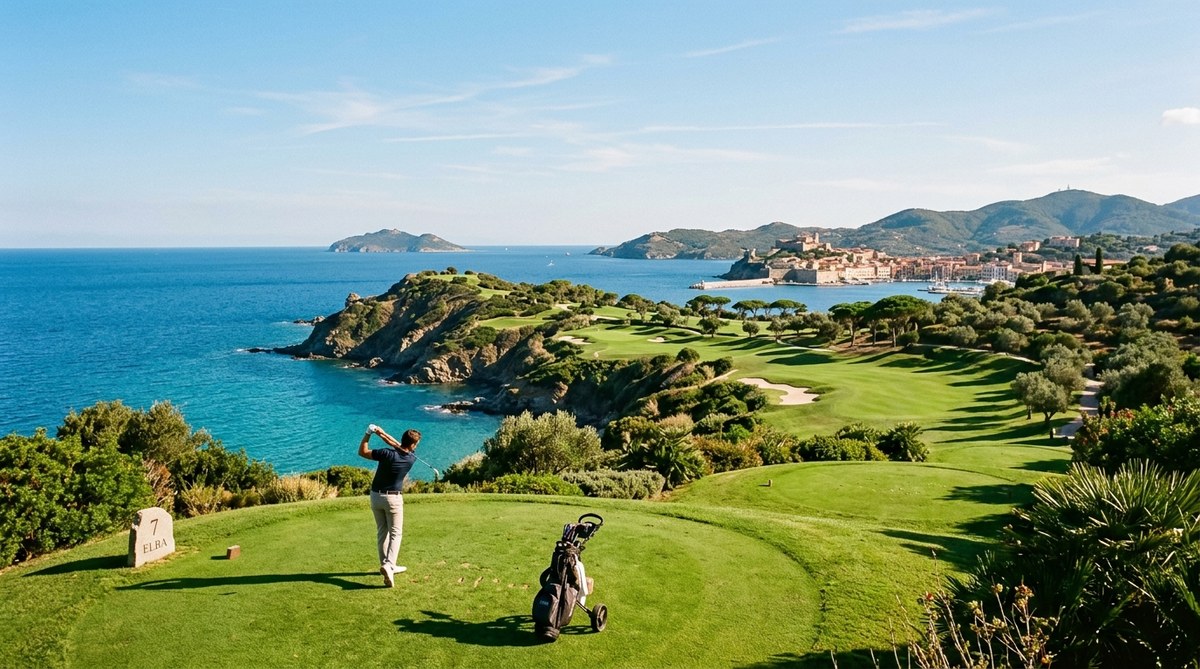
Seven Unmissable Golf Experiences in the Tuscan Archipelago and Elba
Picture yourself teeing off with the Tyrrhenian Sea glittering beyond the fairway, Mediterranean pines framing your shot, and the scent of rosemary drifting across immaculate greens. Elba Island offers golfers something genuinely rare: a chance to combine serious play with island escapism. Most visitors know Elba for Napoleon’s exile or its pristine beaches, but the island’s golf scene deserves equal attention. The courses here blend natural beauty with thoughtful design, creating experiences you simply cannot replicate on the mainland.
Elba Island features two exceptional golf courses that cater to different skill levels and preferences. Golf Club Acquabona provides a challenging 9-hole layout perfect for serious players, whilst the island’s coastal setting offers unmatched scenic beauty. Planning requires advance booking during peak season, ferry logistics from Piombino, and ideally combining golf with beach relaxation and local wine experiences for a complete Tuscan Archipelago holiday.
Understanding golf courses Elba island offers today
The island’s golf infrastructure centres primarily around one established facility, though the landscape continues to evolve. Golf Club Acquabona stands as Elba’s premier course, nestled in the hills near Portoferraio. This 9-hole layout punches well above its modest hole count, offering genuine challenge and variety across its compact footprint.
The course sits at roughly 200 metres elevation, providing cooling breezes even during summer months. You will find tight fairways demanding accuracy over distance, strategic bunker placement that punishes wayward shots, and greens that reward local knowledge. The Mediterranean vegetation creates natural hazards that feel entirely different from parkland courses you might know from home.
What makes Acquabona special is its integration with the landscape. Designers worked with the existing topography rather than reshaping it dramatically. This means elevation changes feel natural, views emerge organically, and the course fits seamlessly into its surroundings.
The facility includes a driving range, practice putting green, and pro shop stocked with essentials. Club hire is available, which matters when you are travelling by ferry and want to minimise luggage. The clubhouse serves traditional Tuscan fare, with local wines featured prominently.
Planning your round at Golf Club Acquabona
Booking ahead is not optional during high season (May through September). The course attracts mainland Italians, European tourists, and yacht crews docking at nearby marinas. Weekend tee times fill quickly, so secure your slot at least two weeks in advance for summer play.
Green fees sit in the moderate range compared to championship golf courses in Tuscany that challenge even seasoned players. Expect to pay between €50 and €70 for 18 holes (playing the 9-hole layout twice), with twilight rates sometimes available after 15:00.
The course plays differently depending on time of day. Morning rounds offer cooler temperatures and softer greens, whilst afternoon play tests your ability to manage firmer surfaces and occasional wind. Most regulars prefer starting before 09:00 during summer months.
Cart availability varies, so confirm when booking if you prefer riding. The course is walkable for fit players, though some uphill sections will test your stamina. Caddies are not standard, but staff can arrange local knowledge if you request it in advance.
“Elba’s golf is about quality over quantity. You won’t find 27-hole resort complexes here, but what you will find is authentic Mediterranean golf that rewards thoughtful play and punishes ego.” — Marco Bellini, Italian Golf Course Architect
Getting to Elba Island for your golf holiday
Ferry logistics matter more than you might expect. Elba sits roughly 10 kilometres off the Tuscan coast, accessible only by sea or air. Most golfers arrive via ferry from Piombino, with multiple companies offering regular crossings.
The journey takes 45 to 60 minutes depending on your departure port and destination on Elba. Toremar and Moby Lines run frequent services, with increased frequency during summer. You can bring a car aboard, which most golf visitors do, though expect to pay €80 to €120 return for vehicle transport.
Portoferraio serves as the main arrival point and sits just 15 minutes from Golf Club Acquabona. Book ferry tickets online at least a week ahead during peak season, as crossings sell out. The ferry terminal in Piombino is well signposted from the SS1 Aurelia coastal road.
Alternative access includes small aircraft to Marina di Campo airport, though this suits private charters more than commercial travellers. Some yachting visitors moor at Portoferraio’s marina and taxi to the course, treating golf as one activity in a broader sailing itinerary.
Step-by-step booking process for your Elba golf trip
- Choose your travel dates, avoiding August if you dislike crowds and premium pricing.
- Book accommodation in Portoferraio or nearby coastal towns like Biodola or Marciana Marina.
- Reserve golf tee times directly through Golf Club Acquabona’s website or by telephone.
- Purchase ferry tickets online through Toremar or Moby Lines, selecting car transport if needed.
- Arrange car hire on the mainland if not bringing your own vehicle, as Elba’s public transport is limited.
- Confirm club hire availability at the golf course if travelling without your own equipment.
- Research restaurant bookings for post-round dining, as popular spots fill quickly in season.
Comparing Elba’s golf experience with mainland Tuscany
The island offers something fundamentally different from inland courses. Coastal conditions mean wind becomes a genuine factor, requiring club selection adjustments you might not make in sheltered Chianti valleys. Salt air and sea breezes create unique playing conditions that reward adaptability.
| Aspect | Elba Island Golf | Mainland Tuscany Golf |
|---|---|---|
| Course variety | Limited to one main facility | Dozens of options across regions |
| Scenic character | Coastal, Mediterranean, island views | Rolling hills, vineyards, cypress trees |
| Climate | Cooler with sea breezes, more wind | Hotter inland, calmer conditions |
| Accessibility | Ferry required, advance planning essential | Direct road access from major cities |
| Crowd levels | Quieter, more intimate feel | Busier at popular resort courses |
| Pricing | Moderate green fees | Wide range from budget to premium |
Elba suits golfers who value exclusivity and natural beauty over course variety. You will not hop between three different layouts in a weekend, but you will experience something more memorable than another generic resort round.
The island’s compact size means you are never far from beaches, hiking trails, or historic sites. This makes Elba ideal for mixed-ability groups or couples where one partner golfs whilst the other prefers different activities.
Seasonal considerations for Elba golf holidays
Spring (April through May) and autumn (September through October) offer the sweet spot for golf on Elba. Temperatures hover between 18°C and 24°C, crowds thin out, and course conditions peak after summer stress or winter recovery.
Summer brings heat and tourists. July and especially August see the island’s population swell dramatically, with Italians taking traditional holiday weeks. Green fees increase, tee times become scarce, and temperatures can exceed 30°C. Early morning rounds become essential rather than optional.
Winter golf remains possible, with December through February seeing occasional rain but generally mild conditions. The course may close for maintenance periods, so confirm operating schedules before booking winter travel. Ferry services reduce frequency off-season, requiring more careful planning.
Wind patterns shift seasonally. Spring brings the Scirocco from the south, creating warm but gusty conditions. Summer sees lighter afternoon breezes from the northwest. Autumn offers the calmest weather overall, making it the preferred season for planning your first golf holiday in Tuscany.
Accommodation options near the golf course
Portoferraio provides the most convenient base, with hotels, apartments, and B&Bs within 20 minutes of the course. The town offers proper infrastructure including supermarkets, pharmacies, and restaurants, unlike smaller island villages.
Biodola Bay sits slightly closer to Acquabona, featuring several upscale resort hotels with beach access. These properties cater specifically to the golf and beach combination that defines an Elba holiday. Expect higher rates but superior amenities including spas, pools, and water sports.
Marciana Marina on the island’s northwest coast offers a more authentic fishing village atmosphere. The 25-minute drive to the course is manageable, and you gain access to excellent seafood restaurants and quieter beaches. This area suits travellers who prefer character over convenience.
Vacation rentals scatter across the island, from hillside villas to beachfront apartments. These work well for groups or families, providing kitchen facilities and more space than hotels. Book through established platforms and verify proximity to both the golf course and amenities you need.
The island lacks true luxury golf resorts in the mainland mould. Accommodation here is charming and comfortable rather than opulent, which suits the island’s relaxed character perfectly.
What to do beyond golf on Elba Island
The island’s beaches rival any in the Mediterranean. Sansone and Sorgente beaches offer white pebbles and crystalline water perfect for post-round swimming. Fetovaia on the south coast provides golden sand and excellent snorkelling.
Napoleon’s residences, including Villa dei Mulini in Portoferraio and Villa San Martino inland, offer fascinating historical context. The emperor spent ten months here in exile, and the museums provide genuine insight into this period.
Hiking trails crisscross the island, with Monte Capanne (1,019 metres) offering spectacular views from Elba’s highest point. A cable car provides access for those preferring not to hike, making the summit achievable for all fitness levels.
Wine tourism centres on Elba’s indigenous Aleatico grape, producing sweet red wines unlike anything on the mainland. Several small producers offer tastings, though facilities are rustic compared to Chianti’s polished wine estates. This authenticity appeals to travellers seeking Tuscan wine experiences beyond the standard tourist circuit.
Boat excursions to smaller archipelago islands like Pianosa or Capraia create memorable day trips. These protected marine areas offer pristine snorkelling and a genuine sense of escape.
Practical tips for golf courses Elba island visitors
- Bring sun protection beyond what you would pack for mainland golf. Sea reflection intensifies UV exposure considerably.
- Pack layers even in summer. Morning coastal temperatures can surprise visitors expecting consistent Mediterranean warmth.
- Rent clubs if travelling light. Ferries charge extra for oversized luggage, and airlines increasingly restrict golf bag policies.
- Learn basic Italian golf terms. English is less prevalent here than at international resort destinations.
- Book restaurants ahead for Friday and Saturday evenings. Island dining spots fill completely during peak season.
- Carry cash. Some smaller establishments and the golf course pro shop may not accept cards reliably.
- Download offline maps. Mobile coverage is generally good but can drop in hillier areas between towns.
Combining Elba golf with a broader Tuscan itinerary
Many visitors treat Elba as one component in a longer Tuscan golf journey. The island pairs naturally with Maremma’s coastal courses, creating a seaside golf theme distinct from inland vineyard layouts.
A typical itinerary might include three nights on Elba, then ferry back to explore hidden gem courses in southern Tuscany like Punta Ala or Argentario. This approach provides variety whilst maintaining a coastal atmosphere throughout.
Alternatively, contrast Elba’s island golf with Florence’s cultural attractions and nearby courses. This creates a more diverse holiday balancing Renaissance art, urban sophistication, and island relaxation.
Transport logistics become crucial when linking multiple destinations. Consider whether a single base with day trips works better than changing hotels every few nights. Planning a week-long golf holiday in Tuscany requires balancing ambition with practicality, especially when ferry schedules constrain your flexibility.
Course etiquette and local customs
Italian golf culture emphasises pace of play and respect for the course. Keep up with groups ahead, repair pitch marks immediately, and rake bunkers thoroughly. These basics matter everywhere but feel more important at a single-course facility where regulars notice visitor behaviour.
Dress codes remain traditional. Collared shirts are expected, and denim is prohibited on the course. Most players wear tailored shorts or trousers, with athletic wear acceptable if tasteful. The clubhouse maintains similar standards for dining areas.
Tipping is not customary in Italian golf as it is in American contexts. Service charges are typically included, though rounding up for exceptional service is appreciated. Staff will not expect tips for standard assistance with bags or clubs.
Mobile phones should be silenced on the course. Taking photos is acceptable if discreet, but avoid disrupting other players. The island’s beauty makes photography tempting, but prioritise golf etiquette over capturing every vista.
Understanding costs for your Elba golf experience
Budget realistically for the complete experience, not just green fees. A typical golf-focused Elba trip for two people over three nights might break down as follows:
- Ferry crossings with car: €120 return
- Accommodation (mid-range hotel): €150 per night, €450 total
- Green fees (two rounds each): €280
- Meals and drinks: €200
- Fuel and parking: €50
- Incidentals and activities: €150
This €1,250 estimate provides comfortable travel without luxury excess. Costs scale up significantly for peak August dates or down for shoulder season visits with budget accommodation.
Compare this with mainland alternatives. Elba’s appeal is not economy but uniqueness. You pay a modest premium for island access and exclusivity, gaining an experience impossible to replicate at inland courses.
Weather patterns and their impact on play
Mediterranean climate means reliable sunshine but occasional surprises. Summer thunderstorms can develop rapidly, typically in late afternoon. Morning tee times reduce weather-related cancellation risk.
Wind direction and strength vary by season and time of day. Prevailing winds come from the west and northwest, affecting holes differently depending on layout orientation. Local knowledge helps tremendously, so do not hesitate asking staff about typical conditions.
Winter rainfall concentrates in November and December, with January seeing occasional cold snaps. The course drains well due to sandy soil composition, so playability remains good even after rain. Frost is rare but possible during coldest winter mornings.
Sea fog occasionally rolls in during spring mornings, usually burning off by mid-morning. This creates atmospheric conditions for early rounds but can delay starts if visibility becomes unsafe.
Making the most of limited course variety
Playing the same 9-hole layout multiple times requires mental adjustment. Treat each round as an opportunity to refine strategy rather than simply repeating the experience. Notice how different tee positions change hole character. Experiment with club selection on familiar holes.
Many regulars play alternate tees on their second nine, creating variety through different angles and distances. Ask the pro shop about this option, as it effectively creates new holes from the same fairways.
Use practice facilities between rounds. The driving range and putting green let you work on specific aspects of your game rather than just accumulating holes played. This focused approach suits the island’s relaxed pace.
Consider the 9-hole format liberating rather than limiting. You can play 18 holes in the morning, enjoy a long lunch and beach time, then return for another 9 holes at twilight. This flexibility suits holiday golf better than marathon rounds at sprawling resort complexes.
Why Elba deserves a place on your Tuscan golf itinerary
Golf courses Elba island may be limited in number, but they offer something increasingly rare in modern golf tourism. Authenticity. Intimacy. A genuine connection between landscape and layout. You will not find vast resort complexes or 27-hole facilities here, but you will discover golf as it was meant to be played: as one pleasurable element in a broader appreciation of place.
The island rewards visitors who value quality over quantity, who appreciate that sometimes a single excellent course beats a dozen mediocre alternatives. Combine your rounds with swimming in pristine waters, tasting wines found nowhere else, and experiencing an island that has hosted everyone from ancient Etruscans to exiled emperors. That is the Elba difference, and it is worth the ferry crossing.