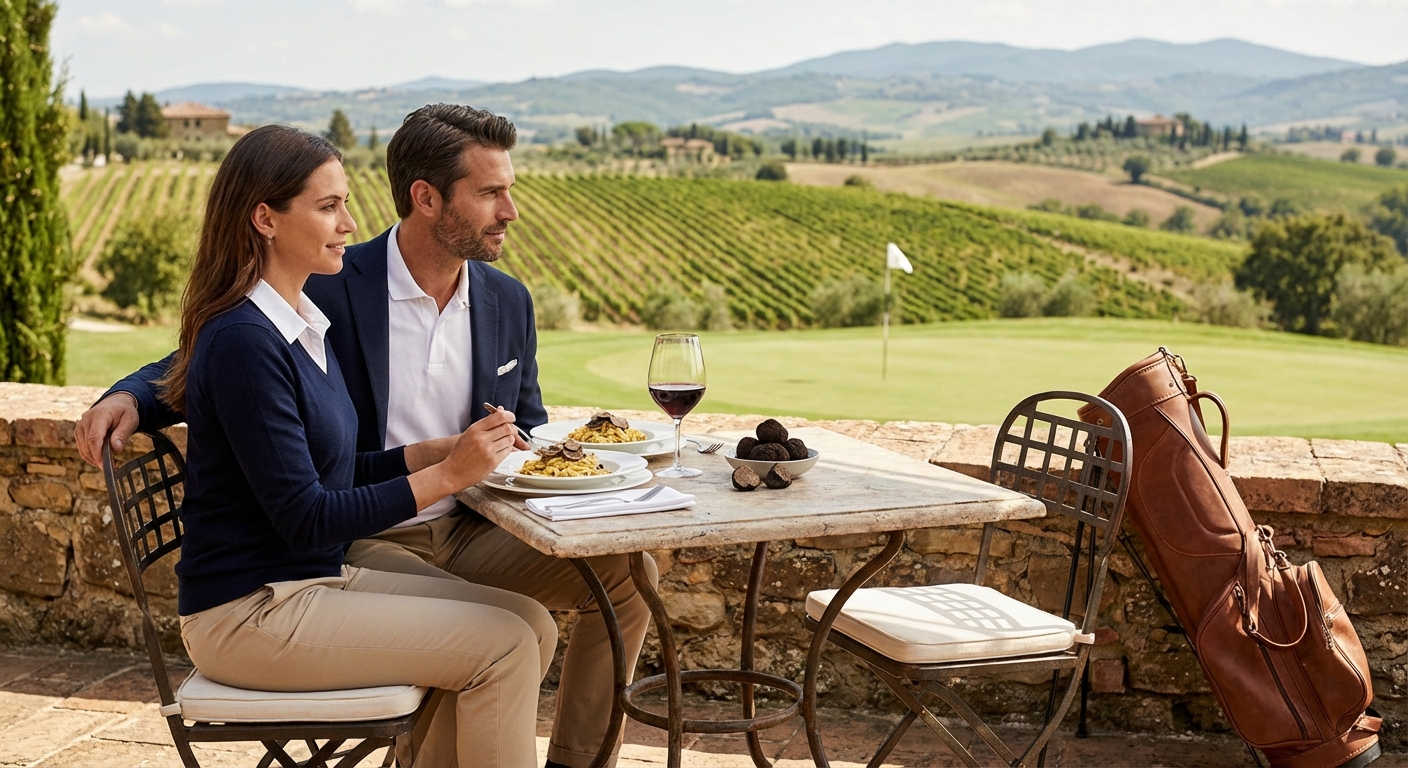
The Golfer’s Guide to Tuscan Truffle Season Dining
Tuscany’s truffle season transforms every meal into an event worth scheduling your tee times around. From late September through January, the region’s forests yield some of Europe’s most prized fungi, and the finest restaurants near the fairways know exactly how to showcase them. If you’re planning a golf holiday during autumn or winter, you’re in for a culinary experience that rivals any birdie.
Truffle season in Tuscany runs from September to January, with white truffles peaking October through December and black varieties available year-round. The best dining experiences near golf courses blend traditional preparation with modern presentation, typically costing €80-200 per person. Book restaurants at least two weeks ahead during peak season, and always ask about daily truffle availability before ordering.
Understanding Tuscany’s Truffle Calendar
Timing matters enormously when planning truffle season dining around your golf itinerary. White truffles (tartufo bianco) command the highest prices and appear from October through December. Black winter truffles (tartufo nero pregiato) arrive in November and last until March. Summer black truffles offer a more affordable option from May through September, though their flavour lacks the intensity of winter varieties.
The peak period coincides beautifully with ideal golfing weather. November and early December deliver comfortable temperatures for morning rounds, followed by truffle-focused lunches when the fungi are at their aromatic best.
Restaurants receive fresh truffles daily during season. Quality fluctuates based on rainfall and temperature, so the truffle you see on Monday might differ significantly from Friday’s offering. This variability adds excitement to repeat visits during an extended golf holiday.
Where Golfers Find the Finest Truffle Dining
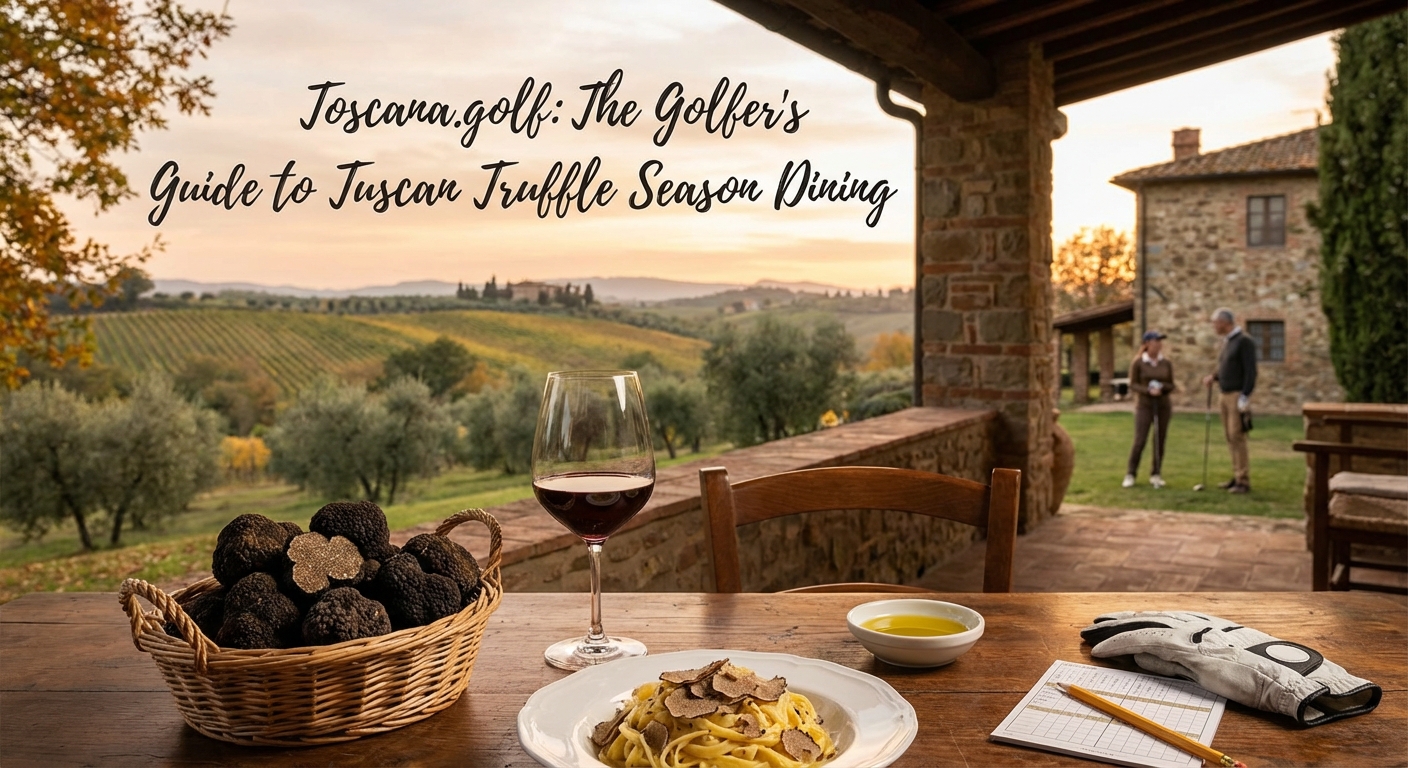
The best truffle restaurants cluster near Tuscany’s premier golf destinations. San Miniato, just 30 minutes from several championship courses, hosts the region’s most famous white truffle market every November. The town’s restaurants serve everything from simple pasta to elaborate tasting menus.
Siena offers exceptional options within easy reach of southern Tuscany’s hidden gem golf courses in southern Tuscany away from tourist crowds. Taverna di San Giuseppe specializes in traditional preparations, shaving fresh truffles tableside over handmade pici pasta. Their sommelier pairs each course with local wines that complement rather than compete with truffle aromatics.
Florence’s proximity to best golf courses near Florence for combining culture with your game makes it perfect for combining morning rounds with evening truffle dinners. Osteria delle Tre Panche maintains relationships with specific truffle hunters, ensuring consistent quality throughout the season.
The Chianti region deserves special attention for golfers staying at vineyard properties. Many estates offering golf access also operate restaurants featuring estate-grown ingredients alongside purchased truffles. This farm-to-table approach, combined with on-site wine cellars, creates memorable post-round dining.
Essential Steps for Booking Truffle Season Tables
Securing the right restaurant reservation requires more strategy than booking a tee time. Follow this process for best results:
- Research restaurant locations relative to your golf schedule at least six weeks before arrival
- Contact restaurants directly via phone rather than email for truffle season bookings
- Request tables for lunch rather than dinner when truffle aromatics are most pronounced
- Confirm whether the restaurant sources truffles daily or relies on preserved stock
- Ask about minimum spending requirements, as some establishments enforce them during peak season
- Reconfirm your reservation 48 hours ahead and inquire about that day’s truffle quality
Many top restaurants near golf resorts fill completely during truffle festivals and weekends. Weekday lunches offer better availability and often superior service, as kitchens aren’t overwhelmed.
Navigating Truffle Menus Like a Local
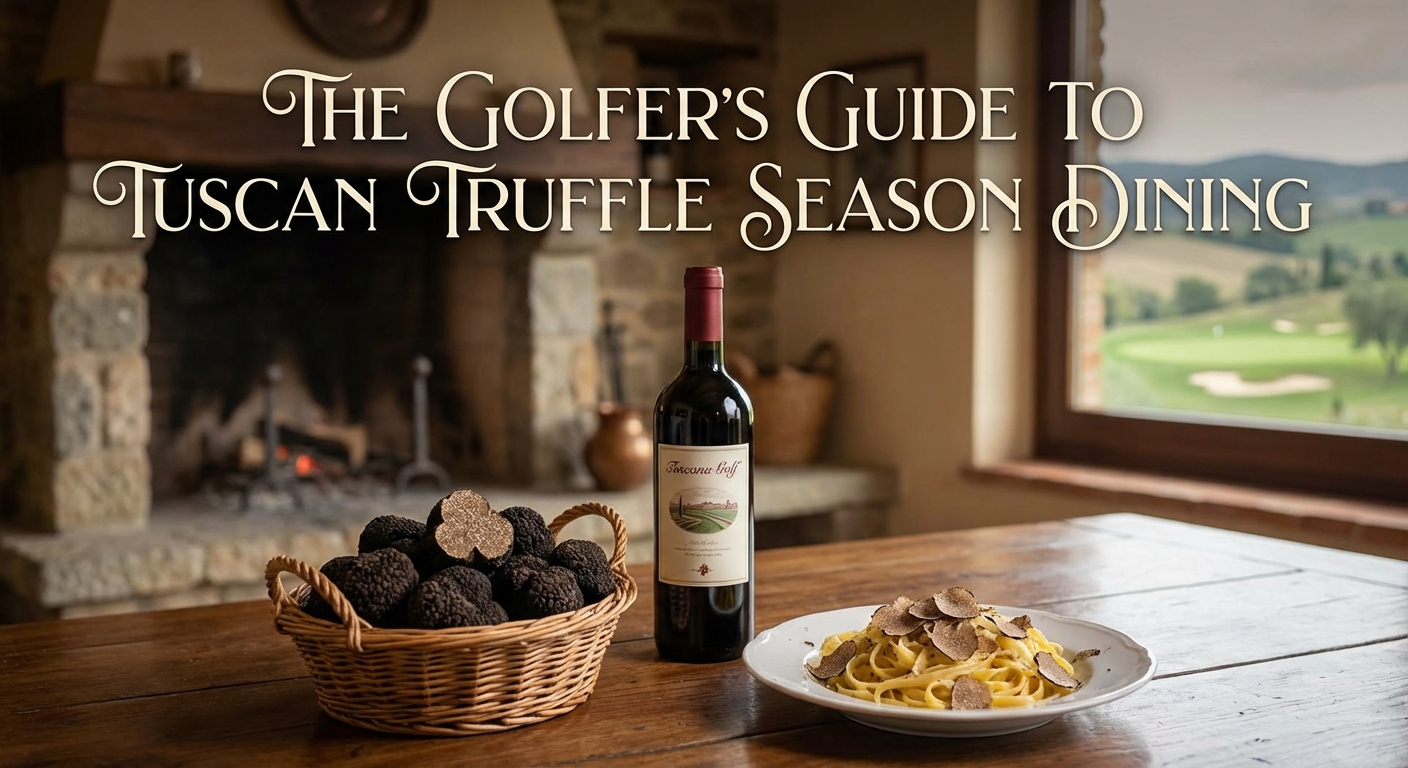
Truffle dishes follow certain patterns across Tuscany’s restaurant scene. Understanding these helps you order confidently and avoid tourist traps.
Traditional preparations showcase truffle as the star ingredient. Tajarin (thin egg pasta) with butter and white truffle represents the gold standard. The pasta’s delicate texture and rich egg flavour support rather than mask the truffle. Expect to pay €45-75 for this dish during white truffle season.
Risotto preparations work beautifully with both white and black truffles. The creamy rice absorbs truffle essence while maintaining its own character. Quality restaurants finish risotto with a final shaving of fresh truffle at the table.
Egg dishes offer excellent value during truffle season. A simple uovo al tegamino (fried egg) topped with shaved truffle costs significantly less than pasta whilst delivering intense flavour. Some restaurants serve this as a starter, making it perfect for sampling before committing to a full truffle main course.
“The best truffle dish is always the simplest. When you have a truly exceptional white truffle, anything beyond butter, pasta, and Parmigiano is a distraction. Let the truffle speak for itself.” — Chef Marco Stabile, Ora d’Aria, Florence
Truffle Quality Indicators Every Diner Should Know
Not all restaurant truffles justify their premium prices. Learn to spot quality before ordering.
| Quality Indicator | What to Look For | Red Flags |
|---|---|---|
| Aroma | Intense, earthy, slightly garlicky scent noticeable from arm’s length | Faint smell or chemical odour suggesting old or treated truffles |
| Appearance | Firm texture with intact outer skin, no soft spots | Wrinkled surface, moisture beads, or obvious damage |
| Shaving method | Tableside preparation using a proper truffle slicer | Pre-shaved truffles or kitchen preparation out of view |
| Pricing | Market-rate transparency with daily price adjustments | Fixed menu prices regardless of market fluctuations |
| Provenance | Specific mention of hunting region and date | Vague “Italian truffle” descriptions without details |
Reputable restaurants display their daily truffle selection before service, allowing diners to see and smell before ordering. If a restaurant refuses this inspection, consider it a warning sign.
The best establishments weigh truffles at the table and charge by the gram. Current white truffle prices range from €3-6 per gram depending on quality and availability. A typical pasta portion uses 8-12 grams of shaved truffle.
Pairing Wine with Truffle Dishes
Truffle’s intense aromatics challenge many wines. The wrong pairing overwhelms either the food or the wine, wasting both.
White truffles demand subtle wines that won’t compete. Arneis from Piedmont works beautifully, as does a well-aged white Burgundy. Avoid oaked Chardonnays entirely, as the wood flavours clash with truffle earthiness.
Tuscan whites like Vernaccia di San Gimignano complement both white and black truffles effectively. Their mineral character and moderate acidity cleanse the palate between bites whilst respecting the truffle’s dominance.
For those preferring red wine, choose lighter styles. Barbera offers bright acidity without excessive tannins. Young Chianti Classico works if served slightly chilled. Avoid heavy Brunello or Super Tuscans, which simply overpower delicate truffle preparations.
Many restaurants offering wine pairings after your round create special truffle season menus with matched wines. These pairings benefit from chef and sommelier collaboration, ensuring harmony across multiple courses.
Common Truffle Dining Mistakes Golfers Make
Even experienced travellers stumble when ordering truffle dishes. Avoid these errors:
- Ordering truffle pasta as a shared starter rather than an individual main course
- Requesting additional Parmesan over white truffle dishes (the cheese competes with truffle flavour)
- Choosing truffle oil-based dishes instead of fresh truffle preparations
- Booking dinner reservations when lunch service offers better truffle quality
- Assuming all “truffle” menu items contain fresh truffles rather than preserved or oil-based products
- Skipping the daily truffle display out of politeness or time pressure
- Pairing bold red wines that obliterate subtle truffle notes
The single biggest mistake involves confusing truffle oil with fresh truffles. Most truffle oils contain synthetic flavouring rather than real truffle. They’re acceptable for casual cooking but represent poor value in restaurant settings. Always confirm that dishes feature fresh, shaved truffle rather than oil or paste.
Truffle Hunting Experiences for Golf Groups
Several Tuscan estates offer morning truffle hunts followed by cooking classes and lunch. These experiences work brilliantly for golf groups wanting variety during multi-day stays.
Truffle hunts typically begin at dawn, when scent conditions favour the trained dogs. You’ll follow a trifolau (truffle hunter) and their dog through forest sections, learning to identify productive areas. Most hunts last 90 minutes to two hours, returning you to the estate by mid-morning.
The cooking portion teaches proper truffle handling and simple preparations. You’ll likely make fresh pasta, then prepare it with your morning’s findings. This hands-on approach demystifies truffle cookery and provides techniques you can replicate at home.
These experiences cost €150-300 per person and require advance booking. Many estates offering truffle hunts also maintain golf relationships, making package arrangements straightforward when planning a week-long golf holiday in Tuscany.
Budgeting for Truffle Season Dining
Truffle meals represent a significant expense beyond typical golf holiday dining. Realistic budgeting prevents unpleasant surprises.
A quality truffle lunch at a mid-range restaurant costs €80-120 per person including wine. This assumes one truffle-focused main course, a starter, and two glasses of wine. Tasting menus at Michelin-starred restaurants near premier golf courses range from €180-350 per person, often with mandatory wine pairings adding another €80-120.
White truffle season commands premium pricing. The same dish that costs €45 with black truffles in March might reach €85 with white truffles in November. Budget accordingly if white truffles are your priority.
Many golf resorts offer truffle-themed packages during autumn. These typically include accommodation, golf access, and one or two truffle-focused meals. Package pricing often delivers better value than booking components separately, particularly at properties like those featured in our resort comparison for the ultimate Tuscan golf holiday.
Regional Truffle Specialties Worth Seeking
Different Tuscan zones prepare truffles according to local tradition. Sampling these regional variations adds depth to your culinary golf holiday.
The Crete Senesi area south of Siena favours black truffle with wild boar. This hearty combination suits cooler November evenings after challenging rounds on area courses. The preparation involves slow-braised boar finished with generous black truffle shavings.
San Miniato’s signature dish combines white truffle with local Mallegato sausage. The sausage’s spiced pork complements white truffle’s intensity better than you’d expect. This preparation appears almost exclusively in San Miniato restaurants, making it a genuine local speciality.
Mugello, north of Florence, serves truffle with chestnut flour pasta. The nutty flour creates interesting textural contrast whilst supporting truffle flavour. This preparation works with both white and black varieties.
Maremma’s coastal influence shows in seafood-truffle combinations. Scallops with black truffle or sea bass with white truffle demonstrate how Tuscan chefs adapt traditions to local ingredients. These dishes work particularly well for golfers staying in Maremma’s coastal luxury golf destinations.
Making the Most of Every Truffle Meal
Truffle dining deserves your full attention. These meals represent culinary highlights of any Tuscan golf holiday, so approach them thoughtfully.
Arrive hungry but not starved. Truffle dishes deliver intense flavour that satisfies quickly. Overeating beforehand dulls your palate and wastes the experience.
Skip strong coffee immediately before truffle meals. The coffee’s bitterness interferes with truffle perception for up to an hour. Save your espresso for afterwards.
Photograph sparingly. One or two photos capture the memory without letting your meal go cold. Truffle dishes lose aromatic intensity rapidly once plated, so eat whilst they’re at their peak.
Pace yourself through multi-course truffle menus. The flavour intensity builds across courses, and rushing prevents full appreciation. This isn’t the meal for discussing tomorrow’s tee times or reviewing today’s scorecard.
Consider taking notes on particularly memorable preparations. Many golfers return to Tuscany annually, and these notes help you relocate exceptional restaurants or try different preparations on subsequent visits.
Beyond the Nineteenth Hole
Truffle season dining elevates a Tuscan golf holiday from excellent to extraordinary. The same attention to detail that goes into course maintenance and resort amenities extends to restaurant kitchens preparing these precious fungi. Whether you’re finishing an early round and heading to a San Miniato trattoria for white truffle tajarin, or celebrating a personal best at a Chianti estate with truffle-topped bistecca, these meals become the stories you’ll share long after your handicap fades from memory. Book early, ask questions, trust your senses, and let Tuscany’s truffle season show you why some golfers plan their entire year around these few precious months.