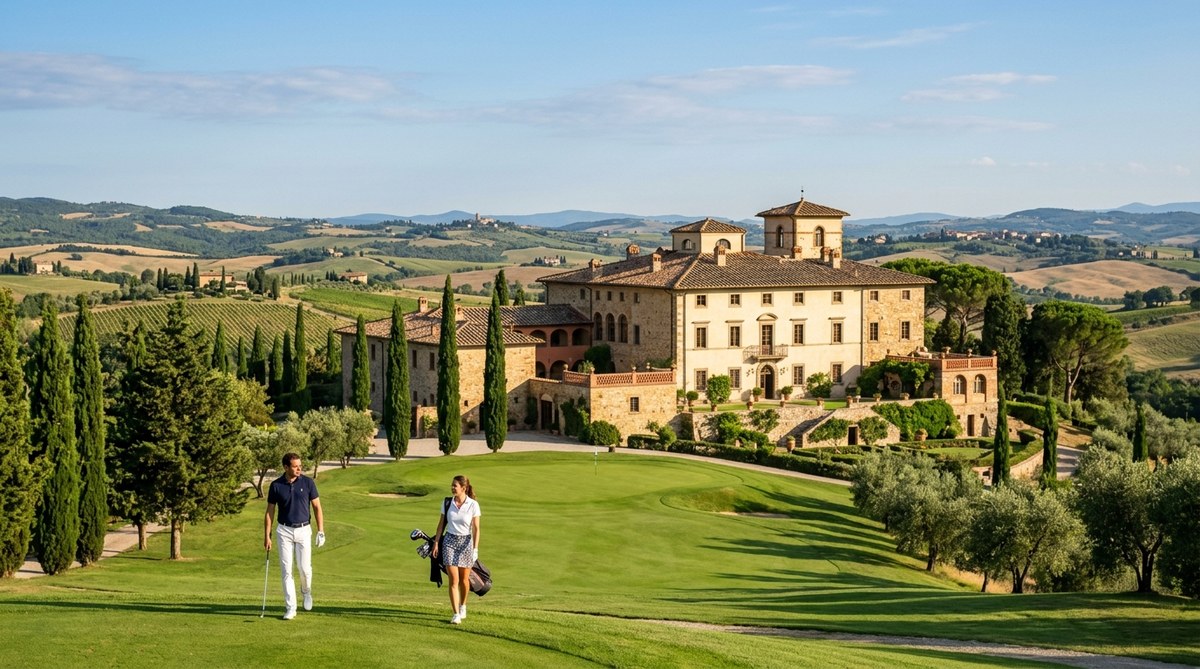
Historic Villas Turned Golf Resorts: Staying in Tuscany’s Architectural Treasures
Imagine teeing off from a medieval castle courtyard, then retiring to frescoed suites where Renaissance nobles once slept. Tuscany’s historic villas turned golf resorts offer exactly this blend of architectural heritage and world-class fairways. These aren’t ordinary hotels with a course attached. They’re living monuments where stone walls whisper stories from the 1200s, and every round feels like playing through a museum.
Historic villas golf resorts in Tuscany combine centuries-old architecture with premium courses, offering luxury accommodation in restored castles, estates, and monasteries. Expect private pools, spa facilities, vineyard views, and access to championship layouts designed by golf legends. These properties deliver cultural immersion alongside exceptional play, perfect for travellers seeking heritage and sport in one remarkable setting.
Why Tuscany’s Villa Resorts Stand Apart from Standard Golf Hotels
Most golf resorts follow a predictable pattern. Modern clubhouse. Contemporary rooms. Manicured grounds.
Tuscan villa resorts break that mould entirely.
You’re staying in buildings that predate Columbus. Sleeping in rooms where Medici family members hosted banquets. Walking hallways lined with original artwork from the 1400s.
The golf courses themselves wind through olive groves planted generations ago. Fairways follow ancient hunting paths. Water hazards occupy stone quarries that supplied marble for Florence’s cathedrals.
This isn’t theming. It’s authentic history you can touch, smell, and experience between rounds.
The properties maintain their original character while adding every modern luxury. Heated infinity pools overlook Val d’Orcia valleys. Michelin-starred restaurants operate in former monastery kitchens. Spa treatments use thermal waters the Etruscans discovered 2,000 years ago.
For golfers who appreciate architecture and culture as much as birdies, these resorts deliver an experience impossible to replicate elsewhere.
Five Standout Historic Villa Golf Properties Worth Booking
Castiglion del Bosco
This 800-year-old borgo (medieval village) sprawls across 5,000 acres in Montalcino wine country. The estate includes 11 restored farmhouses, each converted into private villas.
The 18-hole course meanders through vineyards producing Brunello wine. Holes 14 through 16 offer views across three valleys simultaneously.
Original cobblestone streets connect the spa, restaurants, and golf clubhouse. Stone walls date to 1100 AD. Ceiling beams in the main villa were hand-hewn in 1350.
Suites feature terracotta floors, wood-burning fireplaces, and terraces overlooking cypress-lined fairways. Private pools come standard with villa bookings.
The property also operates a working winery. You can tour cellars carved into hillsides by monks, then taste vintages whilst overlooking the 9th green.
Castelfalfi
A complete medieval village transformed into a golf resort. The central castle towers over an 18-hole championship course and a separate 9-hole executive layout.
The village includes 27 restored buildings. Some house hotel suites. Others contain private residences available for weekly rental.
Original frescoes remain visible in several suites. The main restaurant operates inside a 12th-century church, complete with vaulted ceilings and stone arches.
Both courses were designed to preserve the landscape’s natural contours. Ancient oak trees define several fairways. Stone walls from the 1300s serve as natural hazards.
The resort sits 30 minutes from Florence, making it ideal for combining golf with cultural excursions.
Castello di Casole
This Timbers Resort property centres on a 10th-century castle perched above Chianti vineyards. The main structure retains its original tower, moat, and defensive walls.
Accommodation spreads across 41 suites in the castle itself, plus 39 private estate homes scattered across the property.
The golf course occupies former farmland terraced by hand centuries ago. Designers incorporated existing stone walls and olive groves into the routing.
Hole 7 plays directly toward the castle, creating one of Europe’s most photographed golf vistas. Hole 13 descends through a forest planted in the 1600s.
The spa operates in converted stables. Treatment rooms feature original stone mangers and iron rings where horses were once tied.
Il Pelagone
A boutique property in Maremma, southern Tuscany’s wilder region. The main villa dates to the 1700s and houses just 12 suites.
The 18-hole course crosses rolling hills dotted with cork oak forests. Wild boar occasionally wander onto fairways at dawn.
This property feels more intimate than the larger resorts. You’ll likely recognise fellow guests by the third day. The restaurant seats only 40 people.
Original frescoes cover the villa’s entrance hall ceiling. Guest rooms retain terracotta floors and chestnut beam ceilings.
The location offers easy access to Maremma’s coastal attractions, including thermal springs and medieval hill towns.
Poggio dei Medici
Built around a 16th-century Medici hunting lodge, this resort sits 20 minutes from Florence’s airport. The lodge now serves as the clubhouse and main restaurant.
The 18-hole course was designed by Baldovino Dassù, incorporating natural springs and period stone walls into the layout.
Accommodation includes 35 rooms in the restored lodge, plus 12 private villas scattered across the estate.
Period details include hand-painted ceiling medallions, marble fireplaces, and wrought-iron balconies overlooking the 18th green.
The property maintains a lower profile than Castiglion del Bosco or Castelfalfi, attracting golfers who prefer understated luxury.
What to Expect When Staying at a Historic Villa Golf Resort
| Feature | Standard Golf Resort | Historic Villa Resort |
|---|---|---|
| Building Age | Built 1990-2020 | Original structures 1100-1700s |
| Room Style | Contemporary furnishings | Period details, antique pieces |
| Grounds | Landscaped gardens | Ancient olive groves, vineyards |
| Dining | International menus | Regional Tuscan cuisine |
| Atmosphere | Polished, uniform | Authentic, varied by building |
| Cultural Activities | Limited | Wine tours, cooking classes, art |
The experience differs significantly from standard golf holidays.
Rooms vary more than typical hotel chains. Each suite occupies a unique space within historic buildings. Ceiling heights differ. Window placements follow original architecture. Some rooms feature frescoes. Others showcase exposed stone walls or hand-painted beams.
This means you should request specific room details when booking. Ask about views, bed configurations, and proximity to facilities.
Service leans toward personal rather than corporate. Staff numbers remain smaller than large resort chains. But knowledge runs deeper. Your concierge likely grew up in the region and can recommend family-run trattorias not listed in guidebooks.
Dining emphasises local ingredients and traditional preparations. Menus change with seasons. Spring brings wild asparagus and artichokes. Autumn features porcini mushrooms and white truffles. Many resorts grow their own vegetables and press olive oil from estate trees.
How to Choose the Right Historic Villa Resort for Your Game
Start by assessing your golf priorities.
If you want a championship test that challenges low handicappers, Castiglion del Bosco and Castelfalfi offer the most demanding layouts. Both measure over 6,500 metres from the tips.
Mid to high handicappers often prefer Il Pelagone or Poggio dei Medici. The courses play shorter and feature wider fairways. You’ll still face strategic challenges without constant penalty strokes.
Consider your group composition too.
Travelling with non-golfers? Choose resorts with robust spa facilities and cultural activities. Castiglion del Bosco and Castello di Casole excel here, offering cooking classes, wine tastings, and guided art tours.
Planning a couples’ retreat? Look for properties with romantic dining options and private villa accommodation. Castello di Casole’s estate homes provide complete privacy.
Location matters for day trips. Properties near Florence grant easy access to Renaissance art and architecture. Southern resorts like Il Pelagone position you closer to Siena, Montepulciano, and coastal Maremma.
“Choose your villa resort based on the complete experience, not just the course. These properties succeed by blending golf with culture, cuisine, and landscape. The best rounds happen when you’re fully immersed in the setting.” — Marco Benetti, Italian Golf Travel Specialist
Practical Considerations for Booking Historic Villa Stays
Timing Your Visit
Spring (April-May) and autumn (September-October) offer ideal conditions. Temperatures range from 15-25°C. Courses play firm and fast. Vineyards and olive groves display their most vibrant colours.
Summer (June-August) brings heat. Expect 30-35°C afternoons. Book early morning tee times. Many properties offer reduced rates during July and August.
Winter golf remains possible November through February. Temperatures hover around 10-15°C. You’ll need layers. Some resorts close courses for maintenance during January.
Understanding Accommodation Options
Most historic villa resorts offer three accommodation tiers:
-
Hotel suites in the main villa or castle. These provide the most authentic period atmosphere. Expect original architectural details. Room sizes vary based on the building’s original layout.
-
Restored farmhouses converted into multi-bedroom villas. These suit groups or families. They include full kitchens, private pools, and dedicated outdoor spaces.
-
Modern additions built to complement historic structures. These offer contemporary amenities whilst maintaining traditional Tuscan aesthetics. Rooms tend toward uniform sizing.
Prices reflect both accommodation type and season. Expect to pay £300-600 per night for hotel suites. Private villas start around £800 and can exceed £2,000 for larger properties during peak season.
Booking Golf Tee Times
Resort guests receive priority tee time access. Most properties guarantee at least one round per day of stay.
Book tee times when you reserve accommodation. Popular slots (7:00-9:00 AM and 3:00-5:00 PM) fill quickly during peak season.
Many resorts offer packages bundling accommodation, golf, and meals. These typically save 15-20% versus booking components separately.
Green fees for outside players range from £80-150 depending on season and property. Resort guests often play for reduced rates or no additional charge beyond accommodation.
Transportation and Logistics
None of these resorts sit within walking distance of major towns. You’ll need a car.
Florence airport (FLR) serves as the primary gateway. It’s 30-90 minutes from most properties depending on location. Pisa airport (PSA) works for western Tuscany resorts.
Rental cars should be booked in advance. Automatic transmissions cost more and require early reservation. Most villa resorts offer narrow access roads where smaller vehicles handle better than large SUVs.
Properties provide detailed driving directions. GPS coordinates sometimes lead to service entrances rather than main gates. Request specific arrival instructions when confirming your booking.
Combining Golf with Tuscan Cultural Experiences
The best villa resort holidays balance time on the course with regional exploration.
Most properties offer curated experiences:
- Wine estate tours visiting neighbouring Brunello, Chianti, or Vino Nobile producers
- Cooking classes learning traditional pasta, risotto, and sauce preparations
- Truffle hunting with trained dogs during autumn months
- Art tours to nearby medieval towns and Renaissance sites
- Olive oil tastings at working frantoios (olive presses)
These activities typically run 2-4 hours and can be scheduled around golf.
Many guests follow a pattern: golf in the morning, cultural activity or spa in the afternoon, dinner featuring local specialities.
The resorts’ restaurant teams often arrange visits to nearby Michelin-starred establishments or family-run trattorias. Transportation and reservations are handled for you.
Common Mistakes When Booking Historic Villa Golf Resorts
Underestimating driving distances. Tuscany looks compact on maps. But winding hill roads mean 30 kilometres can take 45 minutes. Build extra time into schedules.
Overlooking seasonal closures. Some restaurants, spas, or activities operate limited hours during winter months. Confirm availability for specific dates.
Assuming all villas offer identical amenities. Private villas vary significantly. Some include daily housekeeping. Others provide it weekly. Pool heating may cost extra. Clarify inclusions before booking.
Skipping travel insurance. Villa bookings often require full prepayment 60-90 days before arrival. Cancellation policies can be strict. Insurance protects your investment.
Neglecting to request specific room locations. Historic buildings mean varied room experiences. Ground floor rooms may feel darker. Top floor rooms require climbing stairs. Specify preferences when booking.
Making the Most of Your Historic Villa Golf Holiday
Pack layers. Tuscan weather shifts throughout the day. Morning rounds might start at 12°C and finish at 22°C.
Bring proper golf shoes with soft spikes. Many historic villa courses feature undulating terrain. Traction matters more than on flat layouts.
Allow time to simply exist in these spaces. Sit in the castello courtyard with morning coffee. Walk the olive groves at sunset. These moments equal the golf in creating memorable holidays.
Engage with staff about the property’s history. Most team members possess deep knowledge about their resort’s past. They’ll share stories not found in brochures.
Consider extending your stay beyond initial plans. Most guests report wishing they’d booked extra days. The combination of golf, culture, cuisine, and architecture deserves unhurried appreciation.
If you’re planning your first Tuscan golf holiday, these historic villa resorts provide an excellent foundation. They simplify logistics whilst delivering authentic regional experiences.
When Heritage and Sport Create Something Extraordinary
Sleeping in a 12th-century castle after playing through vineyards planted by monks isn’t just luxury. It’s a connection to place that standard resorts can’t manufacture.
These historic villas golf resorts succeed because they honour their past whilst serving modern golfers. The stone walls, frescoed ceilings, and ancient olive groves aren’t decorative touches. They’re the foundation of the entire experience.
Your next Tuscan golf holiday can unfold in spaces where history lives in every stone. Where your morning round crosses land shaped by centuries of careful cultivation. Where evening aperitivos happen in courtyards that have hosted gatherings for 800 years.
Start researching properties now. Compare courses, accommodation styles, and locations. Request detailed information about specific villas or suites. Then book the dates that work for your schedule.
The fairways, the architecture, and the Tuscan landscape will be waiting.