The 7 Most Scenic Golf Courses in Tuscany for Photography Enthusiasts
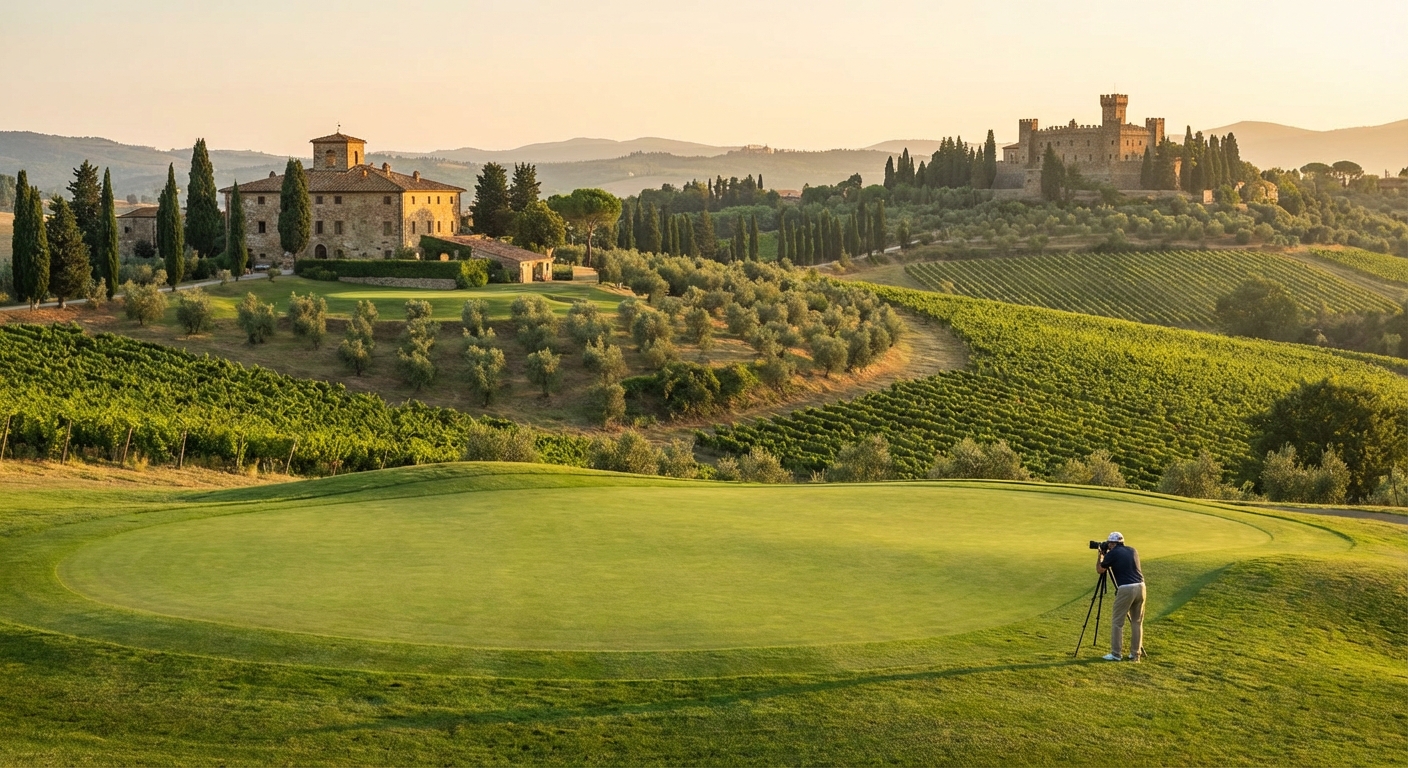
Tuscany isn’t just about rolling vineyards and Renaissance art. It’s home to some of Europe’s most breathtaking golf courses, where every round feels like a masterclass in landscape design. Whether you’re teeing off against a backdrop of cypress-lined hills or putting beside the Tyrrhenian Sea, the region offers experiences that blend world-class golf with Italian luxury.
Tuscany features over 20 championship golf courses spanning coastal Maremma to Chianti’s hills. Most courses operate year-round with peak season from April to October. Expect green fees from €70 to €180, with resort packages offering better value. Book tee times at least two weeks ahead during summer months for guaranteed access to premium courses.
What Makes Tuscan Golf Courses Stand Out
The region’s courses aren’t just about golf. They’re architectural achievements that respect the land whilst delivering challenging play.
Most layouts incorporate natural features rather than fighting them. You’ll find fairways that follow ancient valleys, greens positioned on historic terraces, and hazards formed by centuries-old stone walls.
The climate plays a huge role too. Mild winters mean you can play twelve months a year at most venues. Summer temperatures hover around 28°C, perfect for early morning or late afternoon rounds.
Course designers have worked with what nature provided. Rolling hills become natural doglegs. Medieval olive groves create strategic obstacles. Even vineyard boundaries influence hole layouts.
Top Golf Courses Worth Your Time
Castelfalfi Golf Club
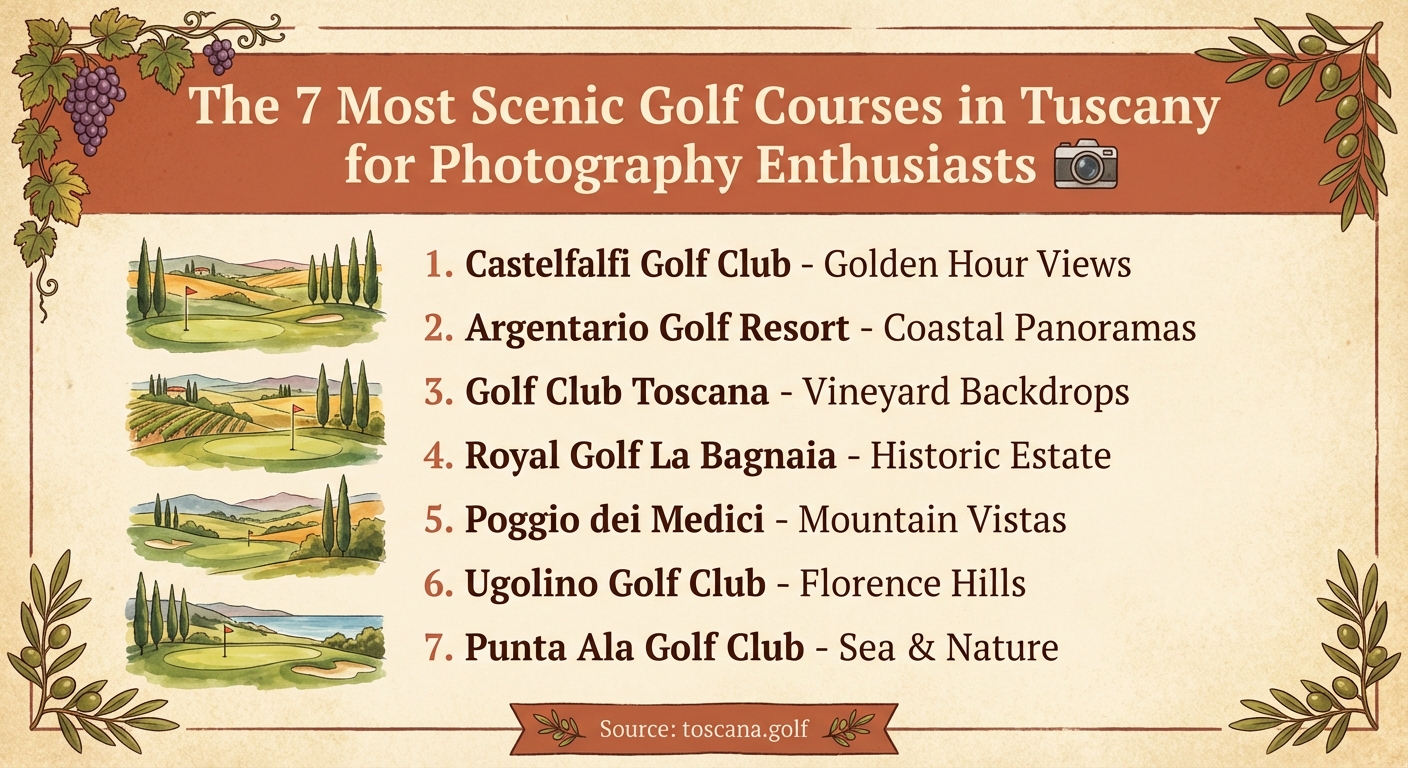
This 27-hole complex sits in the heart of Chianti, about 45 minutes from Florence. The Mountain Course tests your accuracy with tight fairways through oak forests. The Lake Course opens up more but demands precise iron play around water features.
Green fees run €120 to €150 depending on season. The resort package includes accommodation in restored medieval buildings, making it worth considering for multi-day stays.
Royal Golf La Bagnaia
Near Siena, this course winds through clay hills that glow orange at sunset. Designer Baldovino Dassù created a layout that rewards strategic thinking over pure power.
The signature 16th hole plays downhill to a green surrounded by ancient stone walls. Miss the target and you’re chipping from 200-year-old terraces.
Expect to pay around €90 for 18 holes. The spa resort attached makes this ideal for couples where one partner doesn’t play.
Argentario Golf Resort
Coastal golf at its finest. Located on Monte Argentario peninsula, this course offers views across the Tyrrhenian Sea from nearly every hole.
Sea breezes add complexity to club selection. What looks like a simple 7-iron can easily become a 5-iron when wind picks up after 11am.
Green fees start at €110. The attached Autograph Collection hotel provides five-star amenities including a Michelin-recommended restaurant. Those seeking championship golf courses in Tuscany that challenge even seasoned players will find Argentario’s coastal layout particularly demanding.
Poggio dei Medici Golf Resort
This 18-hole championship course sits in Mugello valley, 30 minutes north of Florence. The Medici family once hunted these lands, and the course preserves much of that historical character.
Wide fairways make it beginner-friendly, but strategically placed bunkers punish lazy approach shots. The par-5 14th requires three perfectly executed shots to reach a green protected by water on three sides.
Rates hover around €80, making it one of the better value options for the quality you receive.
Punta Ala Golf Club
One of Italy’s oldest clubs, established in 1964 on the Tuscan coast. The course runs through umbrella pines and Mediterranean scrub, with the sea visible from elevated tees.
Wildlife is abundant. Don’t be surprised if wild boar cross fairways during early morning rounds. Deer often graze near the practice range at dusk.
Green fees range from €100 to €140. Limited tee times mean booking well ahead, especially for weekend play between May and September.
How to Choose the Right Course for Your Game
Not all courses suit every player. Here’s how to match your skills and preferences with the right venue.
-
Assess your handicap honestly. Courses like Argentario and Castelfalfi demand accuracy and course management. Higher handicappers might enjoy Poggio dei Medici’s forgiving layout more.
-
Consider the season. Coastal courses like Punta Ala stay cooler in summer but can be windy. Inland venues around Siena get hot in July and August, making morning tee times essential.
-
Factor in travel time from your accommodation. Florence-based visitors can reach most courses within an hour. Staying in Siena puts you closer to southern courses but further from coastal options.
-
Check what’s included in green fees. Some clubs provide GPS carts, halfway house refreshments, and practice balls. Others charge separately for everything beyond basic course access.
Practical Booking and Planning Tips
Getting tee times sorted requires more planning than you might expect. Here’s what works.
Booking Windows and Timing
Most premium courses accept reservations 30 to 90 days ahead. Popular slots (weekend mornings, summer afternoons) fill fastest.
Book directly through club websites when possible. Third-party platforms add fees and sometimes don’t guarantee preferred times.
Weekday rates typically run 20 to 30 percent lower than weekend pricing. If your schedule allows flexibility, Tuesday through Thursday offers the best value.
What to Bring
- Handicap certificate (many clubs require proof for championship tees)
- Soft spikes only (metal spikes banned at all major courses)
- Sun protection (umbrellas rarely needed except November to February)
- Light layers (morning temperatures can be 10°C cooler than afternoon)
Transport Considerations
Renting a car makes sense if you plan to play multiple courses. Public transport doesn’t serve most clubs well.
Taxi costs from Florence to courses like Castelfalfi run €80 to €100 each way. Resort shuttles exist but operate on fixed schedules that might not match your preferred tee times.
Some tour operators offer golf packages with transport included. Worth considering if you’re playing three or more rounds during your stay. For comprehensive planning assistance, how to plan a week-long golf holiday in Tuscany without the stress covers logistics in detail.
Understanding Course Conditions Throughout the Year
Tuscany’s golf season runs differently than northern Europe or coastal Spain.
| Month Range | Course Condition | Green Speed | Weather Notes |
|---|---|---|---|
| January-March | Soft fairways, slower greens | Medium | Rain possible, mild temperatures |
| April-June | Peak condition, firm fairways | Fast | Ideal weather, book early |
| July-August | Dry, firm, some brown patches | Very fast | Hot afternoons, morning rounds best |
| September-November | Excellent recovery, lush growth | Medium-fast | Perfect temperatures, less crowded |
| December | Variable, some courses aerate | Medium | Quiet, good rates available |
Summer drought means courses don’t stay emerald green like British links. Expect firm, fast-running fairways that add distance but reduce control.
Autumn brings the best conditions. Courses recover from summer stress, temperatures moderate, and tourist numbers drop.
Cost Breakdown and Value Considerations
Budget €400 to €800 per person for a three-round golf trip, excluding accommodation.
Premium courses (Argentario, Castelfalfi) charge €120 to €180 per round. Mid-tier options (Poggio dei Medici, La Bagnaia) run €80 to €120. Local clubs start around €60 to €80.
Resort packages often beat à la carte pricing. A three-night stay with two rounds at Castelfalfi costs roughly €650 per person in shoulder season, including meals. Booking rounds separately would run €500 just for golf and accommodation.
Cart rental adds €35 to €50 per round where not included. Many courses require carts due to hilly terrain.
“The best value in Tuscan golf isn’t always the cheapest green fee. Look for packages that bundle accommodation, meals, and golf. You’ll save money and avoid the hassle of coordinating multiple bookings.” — Marco Benedetti, PGA Professional
Combining Golf with Other Tuscan Experiences
Most visitors don’t come to Tuscany solely for golf. The region’s other attractions deserve time too.
Courses near Siena put you 20 minutes from medieval town centres. Play 18 holes in the morning, spend afternoons touring Piazza del Campo or sampling Brunello in Montalcino.
Coastal courses pair well with beach time. Punta Ala and Argentario both offer Mediterranean access within minutes of the clubhouse. After your round, where to find Tuscany’s best wine pairings after your round provides excellent suggestions for nearby wineries and restaurants.
Florence-adjacent courses like Poggio dei Medici allow morning golf followed by afternoon museum visits. The Uffizi Gallery sits just 40 minutes from the first tee.
Membership and Reciprocal Arrangements
Many Tuscan clubs participate in reciprocal programmes with international golf associations.
British Golf Collectors Society members receive discounted rates at several venues. Same applies to members of recognised American clubs through various reciprocal networks.
Bring your home club membership card and enquire when booking. Discounts typically range from 10 to 25 percent off published green fees.
Temporary memberships make sense if you’re spending more than a week. Some clubs offer seven-day guest memberships for €200 to €300, providing unlimited golf plus clubhouse privileges.
Course Architecture and Design Philosophy
Tuscan courses reflect a different design approach than American resort courses or Scottish links.
Most architects worked within strict environmental regulations. You won’t find massive earth-moving projects or artificial water features. Instead, courses follow natural contours and incorporate existing vegetation.
Where renaissance architecture meets modern golf course design in Tuscany examines how historical preservation laws shaped modern layouts.
Several courses occupy former hunting estates. Ancient cart paths became cart routes. Historic stone walls define hazards. Even clubhouse locations often utilise restored farmhouses or villas.
This creates unique playing experiences but also means courses can feel tighter than modern American designs. Accuracy matters more than distance.
What to Expect from Clubhouse Facilities
Standards vary significantly between resort courses and traditional clubs.
Resort venues like Argentario and Castelfalfi offer full spa services, multiple restaurants, and luxury changing rooms. You could spend an entire day enjoying facilities beyond just golf.
Traditional clubs provide solid basics: clean locker rooms, decent pro shops, simple restaurants serving Tuscan classics. Don’t expect elaborate fitness centres or infinity pools.
Most clubhouses serve excellent coffee and pastries. The Italian approach to the 19th hole emphasises espresso and conversation over pints and televised football. The art of the 19th hole in Tuscany’s most luxurious golf clubhouse experiences details what each venue offers.
Pro shops stock quality equipment but at premium prices. Bring any speciality items you need from home.
Lesser-Known Courses Worth Considering
The famous names get most attention, but several under-the-radar courses deliver excellent experiences.
Cosmopolitan Golf & Country Club
Near Tirrenia, this course offers links-style golf rare in Tuscany. Flat terrain, coastal winds, and firm turf create playing conditions more reminiscent of Portugal than inland Italy.
Green fees around €70 make it one of the region’s best values. The trade-off is simpler facilities and less dramatic scenery than hilltop courses.
Bellosguardo Golf Club
Just outside Vinci (Leonardo’s birthplace), this 9-hole course punches above its size. Each hole plays differently on the back nine, effectively creating 18 unique experiences.
Perfect for a half-day outing. Rates start at €45 for 18 holes (playing the nine twice).
Montecatini Golf Club
Set in the spa town of Montecatini Terme, this parkland course winds through thermal springs territory. The microclimate created by underground hot water keeps grass green even in peak summer.
Combine golf with thermal spa treatments. Many hotels offer packages including both. Green fees run €65 to €85.
Common Mistakes Visitors Make
Learning from others’ errors saves time and money.
Underestimating travel times. Tuscan roads wind through hills. What looks like 30km on a map often takes 45 minutes to drive. Add buffer time between tee times and other commitments.
Playing in afternoon heat. July and August afternoons regularly hit 32°C. Book morning slots or post-5pm twilight rounds. Midday golf becomes a slog rather than pleasure.
Ignoring dress codes. Most clubs enforce collared shirts and tailored shorts. Denim, football jerseys, and cargo shorts get turned away. Check requirements when booking.
Skipping practice facilities. Tuscan courses play differently than what most visitors know. Spend 20 minutes on the range learning how firm fairways affect ball flight.
Not confirming bookings. Italian administration can be relaxed. Call or email 48 hours before your round to verify your tee time exists in their system.
Regional Variations in Golf Experiences
Tuscany’s geography creates distinct golf zones, each with unique characteristics.
Chianti Hills (around Siena and Florence) feature elevation changes, vineyard views, and courses integrated into historic estates. Expect hilly walks even with carts. Best from April to June and September to October.
Maremma Coast (Grosseto province) offers flatter, links-influenced layouts with sea views and coastal breezes. Why Maremma is Tuscany’s hidden gem for golf and coastal luxury explains this area’s appeal. Playable year-round with mild winters.
Mugello Valley (north of Florence) provides mountain-backed courses with cooler temperatures. Ideal for summer golf when coastal areas get crowded.
Versilia Coast (near Pisa) combines beach proximity with established clubs. More tourist-focused but convenient for those flying into Pisa airport.
Making the Most of Multi-Course Trips
Playing several courses during one visit requires smart planning.
-
Group courses geographically rather than by quality ranking. Playing Argentario and Punta Ala together makes sense (both coastal, 90 minutes apart). Combining Argentario with Castelfalfi means excessive driving.
-
Schedule easier courses after challenging ones. Follow a tough round at Argentario with relaxed golf at Cosmopolitan rather than another championship test.
-
Build in rest days. Three consecutive days of golf in Tuscan heat exhausts most players. Alternate golf days with sightseeing or pool time.
-
Book accommodation centrally if playing multiple regions. Siena works well as a base for both Chianti and Maremma courses. Florence suits northern and central venues.
For comprehensive itinerary planning, planning your first golf holiday in Tuscany and everything you need to know walks through the entire process step by step.
Where Accommodation Meets Golf Strategy
Your lodging choice shapes the entire experience beyond just where you sleep.
Resort courses with on-site hotels (Castelfalfi, Argentario, Royal Golf La Bagnaia) offer convenience but limit exploration. You’ll eat most meals on property and miss authentic village experiences.
Staying in towns like Siena, San Gimignano, or Montepulciano means driving to courses but provides genuine Tuscan immersion. Evening passeggiatas, local trattorias, and medieval architecture become part of your trip.
Agriturismo farmstays split the difference. Many sit 15 to 30 minutes from courses whilst offering authentic rural settings, home-cooked meals, and often swimming pools. Rates run €90 to €150 per night for couples.
Where to stay for the ultimate Tuscan golf holiday and a resort comparison breaks down specific properties and their golf access.
Equipment Rental and Pro Shop Services
Most courses rent clubs, but quality varies dramatically.
Premium venues stock recent Callaway, TaylorMade, or Titleist sets. Rental fees run €40 to €60 per round for quality clubs. Budget clubs might offer older equipment for €25 to €35.
Always inspect rental clubs before accepting them. Check grips for wear, look for damaged shafts, and verify you’re getting the correct flex for your swing speed.
Shoe rentals cost €10 to €15. Bring your own if possible for better fit and comfort.
Pro shops sell balls at premium prices (€5 to €6 per sleeve for ProV1s). Stock up before leaving home or buy at supermarkets in larger towns where prices drop 30 percent.
Club repair services exist but often require leaving equipment for several days. Don’t count on same-day regripping or loft adjustments.
Why Tuscan Golf Deserves Your Attention
The region offers something most golf destinations can’t match: world-class golf woven seamlessly into one of Europe’s richest cultural landscapes.
You’re not choosing between golf and other experiences. You’re combining them. Morning rounds followed by afternoon wine tastings. Championship courses an hour from Renaissance masterpieces. Challenging layouts where every hole offers views worth photographing.
The courses themselves reward thoughtful play over pure power. Strategic thinking matters. Course management skills develop. You’ll return home a smarter player, not just one with a suntan and some scorecards.
Start with one or two courses on your first visit. Learn what style of Tuscan golf appeals to you. Then plan a longer trip targeting specific regions and experiences. The courses aren’t going anywhere, and neither is the Chianti.
Book those tee times, pack the soft spikes, and prepare for golf that reminds you why you fell in love with the game in the first place.