Where Renaissance Architecture Meets Modern Golf Course Design in Tuscany
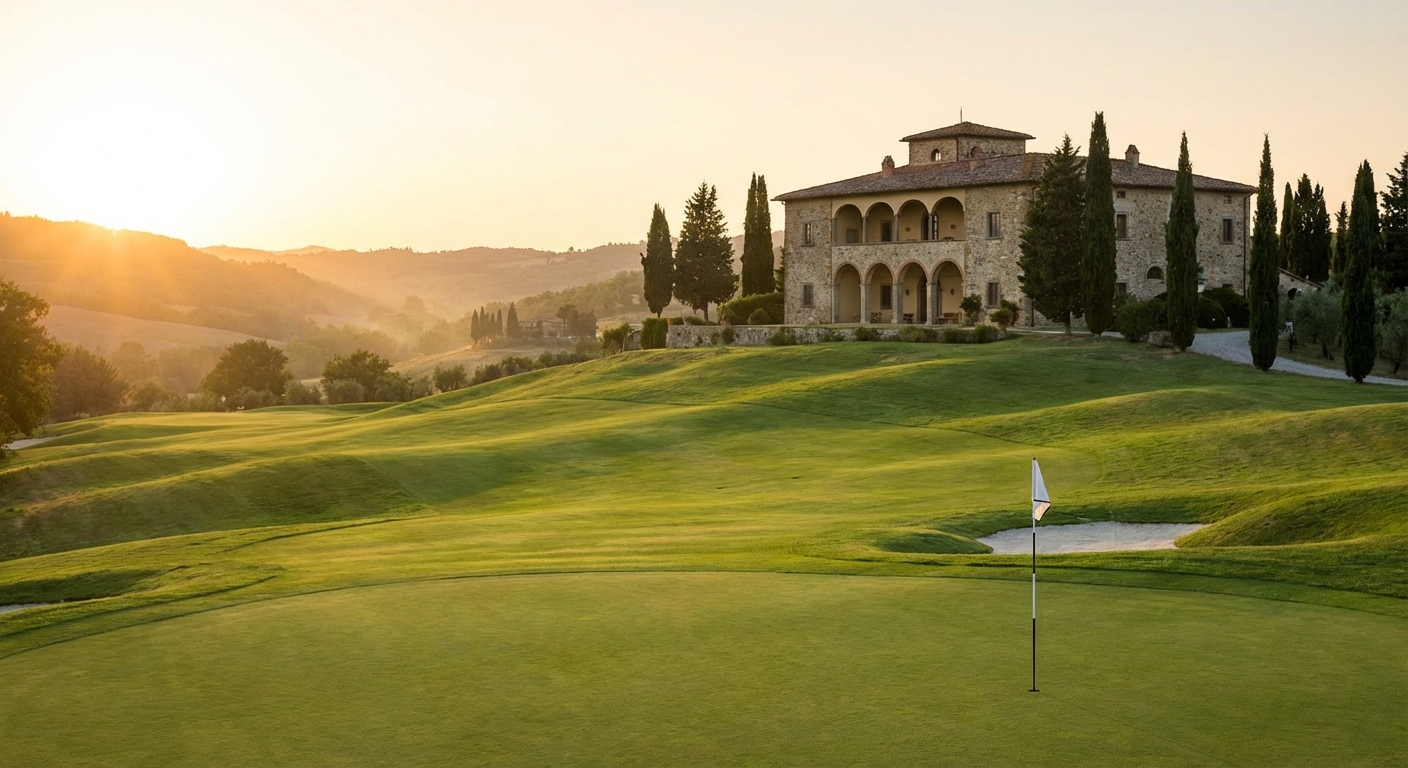
Tuscany offers something most golf destinations can’t match: the chance to tee off against a backdrop of Renaissance villas, cypress-lined fairways, and vineyards that have produced wine for centuries. The region’s golf courses blend world-class design with landscapes that feel like they’ve been lifted from a painting. Whether you’re planning your first Italian golf trip or returning for another round, understanding what makes each course unique will transform your holiday from good to unforgettable.
Tuscany’s golf courses range from coastal championship layouts to hillside resort courses, each offering distinct challenges and cultural experiences. Most courses welcome visitors year-round, with spring and autumn providing ideal playing conditions. Combining golf with wine tasting, historic site visits, and luxury accommodation creates a holiday that appeals to both serious golfers and their travel companions who prefer cultural exploration.
Understanding Tuscany’s Golf Landscape
The region divides into several distinct golf zones, each with its own character.
The Maremma coast in southern Tuscany hosts some of Italy’s most prestigious courses. This area benefits from Mediterranean weather and dramatic coastal views. Courses here tend to be links-style or parkland designs that take advantage of natural elevation changes.
Central Tuscany, around Siena and Florence, features courses integrated into historic estates. These layouts weave through olive groves and medieval villages. The terrain here is hillier, creating strategic elevation play.
Northern Tuscany near Lucca and Montecatini offers courses with Alpine views in the distance. The climate here is slightly cooler, extending the comfortable playing season.
Each zone offers different accommodation styles, from beachfront resorts to converted farmhouses. Your choice depends on whether you prioritize golf challenge, cultural access, or coastal relaxation.
Top Championship Courses Worth Your Time
Several Tuscan courses have earned international recognition for design and conditioning.
Castelfalfi features two 18-hole courses designed by different architects. The Mountain Course plays through rolling hills with views across the Val d’Elsa. The Lake Course incorporates water hazards and requires more strategic play. Both courses are part of a sprawling resort with accommodation ranging from hotel rooms to private villas.
Argentario Golf Club sits on the coast near Porto Ercole. This championship layout has hosted professional tournaments and offers sea views from multiple holes. The course design emphasizes shot placement over pure distance. Coastal winds add an extra challenge that changes daily.
Castiglion del Bosco occupies a historic wine estate in the Val d’Orcia. The course design respects the UNESCO World Heritage landscape, with minimal tree removal during construction. Several holes play alongside Brunello vineyards. The resort limits outside play to maintain exclusivity for guests.
Ugolino Golf Club near Florence is the region’s oldest course, dating to 1889. The layout feels traditional, with tight fairways and strategic bunkering. It’s more accessible than resort courses and popular with locals.
For those seeking the ultimate test, championship golf courses in Tuscany that challenge even seasoned players provide detailed analysis of the region’s toughest layouts.
What Makes Each Course Unique
Understanding course characteristics helps match your preferences to the right venue.
| Course Name | Terrain Style | Signature Feature | Best For |
|---|---|---|---|
| Argentario | Coastal parkland | Sea views, tournament pedigree | Low-handicap players |
| Castelfalfi Mountain | Hillside | Elevation changes, valley views | Strategic players |
| Castelfalfi Lake | Parkland | Water features, forgiving fairways | Mid-handicappers |
| Castiglion del Bosco | Estate course | Vineyard setting, exclusivity | Luxury seekers |
| Cosmopolitan | Links-style | Coastal winds, firm fairways | Links enthusiasts |
| Ugolino | Traditional parkland | Historic clubhouse, local atmosphere | Culture lovers |
The coastal courses generally offer firmer conditions and require more ground game. Inland courses stay lusher and allow for more aerial approaches.
Wind is a major factor at seaside venues. Morning rounds tend to be calmer, with breezes picking up after midday. Inland courses have more predictable conditions but can be warmer in summer months.
Planning Your Golf Itinerary
A well-structured golf trip balances playing time with cultural experiences.
For a three-day golf-focused trip:
- Day one: Arrive and play an easier course to adjust to the time change and terrain
- Day two: Tackle your priority championship course when you’re fresh
- Day three: Play a second course or enjoy a relaxed nine holes before departure
For a week-long holiday:
- Alternate golf days with cultural days to avoid fatigue
- Schedule morning tee times to leave afternoons free for wine tasting or sightseeing
- Book at least two different courses to experience variety
- Leave one day completely unscheduled for spontaneous discoveries
- Consider a rest day mid-week if playing more than four rounds
Most courses offer reduced rates for afternoon tee times. These work well if you plan morning cultural activities.
If you’re planning your first golf holiday in Tuscany, starting with a resort-based approach simplifies logistics considerably.
Seasonal Considerations for Course Conditions
Tuscany’s golf season runs year-round, but conditions vary significantly.
Spring (March to May) brings ideal temperatures and green fairways. Courses are in peak condition preparing for summer visitors. Book early, as this is the most popular season. Occasional rain keeps courses soft, favouring higher ball flights.
Summer (June to August) gets hot, especially inland. Coastal courses benefit from sea breezes. Many courses offer twilight rates for late afternoon rounds when temperatures drop. Fairways firm up, adding roll and requiring different club selection.
Autumn (September to November) rivals spring for conditions. Temperatures moderate and crowds thin after August. Harvest season adds vineyard activity to the landscape. This is arguably the best time for combining golf with wine experiences.
Winter (December to February) sees reduced play but courses remain open. Coastal areas stay milder than inland regions. Green fees drop significantly. Some courses close for maintenance during January.
“The biggest mistake visitors make is trying to play in the midday heat during July and August. Book dawn or late afternoon times, and you’ll enjoy the courses in completely different conditions.” – Resort pro at a leading Tuscan golf club
Accommodation Strategies for Golf Travellers
Where you stay shapes your entire experience.
Resort-based golf holidays offer convenience. Your accommodation, dining, and tee times are all in one location. Most golf resorts provide:
- Guaranteed tee times for guests
- Club storage and cleaning
- Practice facilities
- Shuttle service to the first tee
- Golf-specific dining options with early breakfast
Where to stay for the ultimate Tuscan golf holiday breaks down the strengths of each major resort property.
Villa rentals work better for groups or families where not everyone golfs. You gain space and privacy but need to coordinate tee times and transportation separately. Many villas are located near multiple courses, giving you flexibility.
Boutique hotels in historic towns like Siena or Montepulciano place you closer to cultural attractions. You’ll drive to courses, but evenings offer authentic Italian experiences away from resort settings.
Getting Around Between Courses
Transportation requires planning unless you’re staying at a single resort.
Renting a car gives you maximum flexibility. Most courses are 30 to 90 minutes apart by car. GPS works reliably, though some rural course entrances can be tricky to find. Ensure your rental is large enough for golf bags and luggage.
Private drivers cost more but eliminate navigation stress and allow you to enjoy wine with lunch. Many golf-focused tour operators offer multi-day packages with driver service included.
Some resorts arrange reciprocal play at nearby courses with shuttle service. Ask about these partnerships when booking.
Course addresses in rural areas may not work perfectly in mapping apps. Call ahead for specific directions if you’re driving yourself.
What to Pack for Tuscan Golf
The right gear makes a significant difference.
Essential items:
- Sun protection: high SPF sunscreen, hat with brim, sunglasses
- Layering pieces: mornings can be cool even when afternoons are warm
- Soft spikes: required at all courses
- Rain gear: spring and autumn can bring sudden showers
- Range finder: many courses have limited yardage markers
- Extra golf balls: some courses have more hazards than they appear
Nice to have:
- Portable phone charger for GPS apps
- Lightweight golf towel
- Blister prevention for walking rounds
- Insect repellent for summer evenings
Most courses have well-stocked pro shops, but sizes and styles may be limited. Bring critical items from home.
Combining Golf with Cultural Experiences
The best Tuscan golf holidays balance fairways with cultural immersion.
Many courses sit near significant historic sites. Castiglion del Bosco is 20 minutes from Montalcino, famous for Brunello wine. Ugolino is 15 minutes from central Florence. Argentario is close to the ancient Etruscan sites of Pitigliano and Sovana.
Plan cultural activities for afternoons after morning golf. Museums and churches stay open later than you might expect. Wine tastings work perfectly after a round, especially if someone else is driving.
Where to find Tuscany’s best wine pairings after your round guides you to the finest post-golf wine experiences near major courses.
Food is central to the Tuscan experience. Most golf clubs offer excellent dining, but venturing into nearby towns reveals authentic trattorias. Ask course staff for recommendations. They know which restaurants welcome golfers in casual attire.
Booking Strategies and Pricing
Understanding pricing structures helps you budget accurately.
Green fees range from €70 to €200 depending on the course, season, and day of week. Resort courses typically charge more but include better facilities. Municipal and semi-private courses offer better value.
Many courses offer:
- Twilight rates starting after 2pm or 3pm
- Multi-round packages with discounts
- Seasonal promotions during slower months
- Reduced rates for resort guests
Book championship courses well in advance, especially for spring and autumn. Lesser-known courses often accept same-day bookings.
Golf tour operators can secure better rates than individual bookings at some courses. They also handle logistics like transportation and restaurant reservations. The convenience may justify their fees if you’re planning a complex itinerary.
Common Mistakes to Avoid
Learning from others’ errors saves frustration.
Underestimating travel time between courses. Tuscan roads are scenic but slow. What looks like 40 kilometres might take an hour.
Overscheduling golf days. The heat and terrain are more tiring than you expect. Four rounds in five days is plenty for most visitors.
Ignoring course difficulty ratings. Some courses play significantly harder than their yardage suggests due to elevation, wind, or tight fairways.
Forgetting to confirm bookings. Always reconfirm tee times 24 to 48 hours in advance, especially at resort courses.
Skipping practice facilities. Arriving 30 minutes early to warm up makes a noticeable difference in your first few holes.
Not asking about local rules. Some courses have specific cart policies, dress codes, or pace-of-play expectations.
Making the Most of Clubhouse Amenities
The experience extends beyond the 18th green.
Tuscan golf clubhouses often occupy historic buildings or feature architecture that mirrors the regional style. The art of the 19th hole showcases the finest post-round venues.
Most clubhouses offer:
- Full-service restaurants with regional cuisine
- Pro shops with quality equipment and apparel
- Locker rooms with showers
- Lounges with views of the course
- Wine selections featuring local producers
Take time after your round to relax rather than rushing off. The clubhouse experience is part of what you’re paying for.
Regional Variations Worth Knowing
Different areas of Tuscany offer distinct golf experiences.
The Maremma region in the south provides a hidden gem for golf and coastal luxury. This area sees fewer tourists than Florence or Siena but offers equally impressive courses.
The Chianti region between Florence and Siena combines golf with the most famous wine territory. Courses here tend to be shorter but more technical due to hillside terrain.
The Versilia coast in the north offers beach proximity and mountain views. Courses here have a more relaxed, resort atmosphere.
Each region has different accommodation costs, crowd levels, and cultural attractions. Matching the region to your priorities ensures satisfaction.
Practical Tips for Course Etiquette
Italian golf culture has some unique characteristics.
Pace of play tends to be slightly more relaxed than in the UK or US. Four-and-a-half-hour rounds are normal. Don’t rush, but do keep up with the group ahead.
Many courses require specific attire: collared shirts, tailored shorts, and no denim. Check dress codes when booking.
Caddies are available at some championship courses but not standard. If you hire one, tipping €30 to €50 is appropriate depending on the round length and service quality.
Italians tend to be more social on the course. Don’t be surprised if groups chat between shots or take time for espresso at the turn.
Your Tuscan Golf Journey Starts Here
The golf courses in Tuscany offer something rare in modern golf tourism: the chance to play exceptional courses while immersed in one of the world’s great cultural landscapes. Whether you prioritize championship challenge, scenic beauty, or the combination of golf with wine and history, the region delivers.
Start by identifying your must-play courses, then build your itinerary around those anchors. Leave room for spontaneity. Some of the best Tuscan experiences happen when you follow a local’s recommendation to a hidden trattoria or stumble upon a village festival.
The courses will test your game. The landscape will exceed your expectations. And the combination of golf, food, wine, and culture will likely bring you back for another visit.