Planning Your First Golf Holiday in Tuscany: Everything You Need to Know
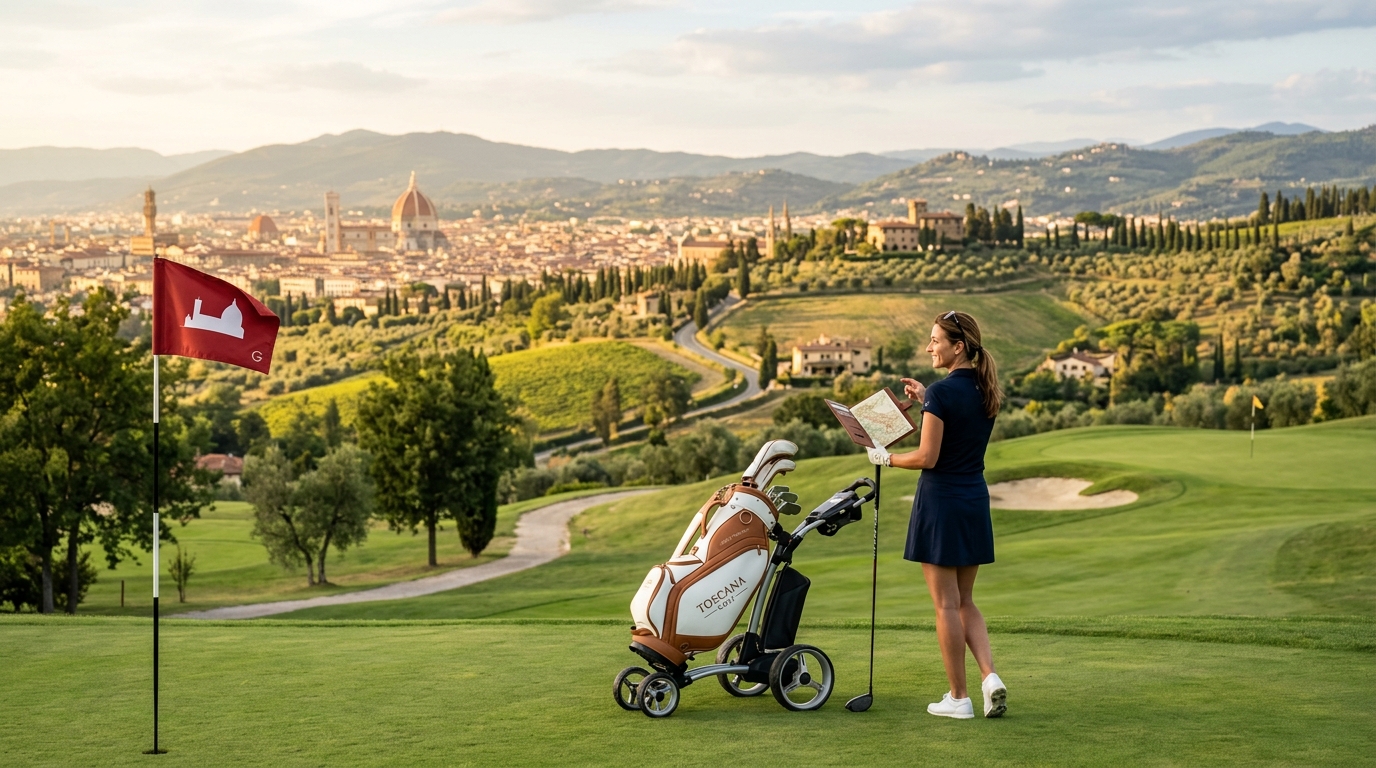
Tuscany offers something most golf destinations can’t match: world-class fairways surrounded by vineyards, medieval hilltop towns, and cuisine that turns every meal into an occasion. For golfers planning their first visit, the region delivers a rare combination of challenging courses and cultural richness that makes every round feel like part of a larger adventure.
A golf holiday in Tuscany blends championship courses with Renaissance art, vineyard tours, and exceptional dining. Success depends on matching your skill level to the right courses, booking accommodation near your preferred layouts, timing your visit for optimal weather, and balancing golf days with cultural experiences. Most visitors need five to seven days to enjoy three to four rounds whilst experiencing the region’s broader attractions.
Understanding Tuscany’s Golf Landscape
The region hosts roughly a dozen quality courses, each with distinct character. You won’t find the concentrated golf resort areas common in Spain or Portugal. Instead, courses are scattered across the countryside, often attached to luxury hotels or standalone facilities.
This geography shapes how you plan. Most golfers choose one or two base locations rather than moving hotels every night. The courses range from relatively flat layouts near the coast to hillier inland designs with elevation changes that test club selection.
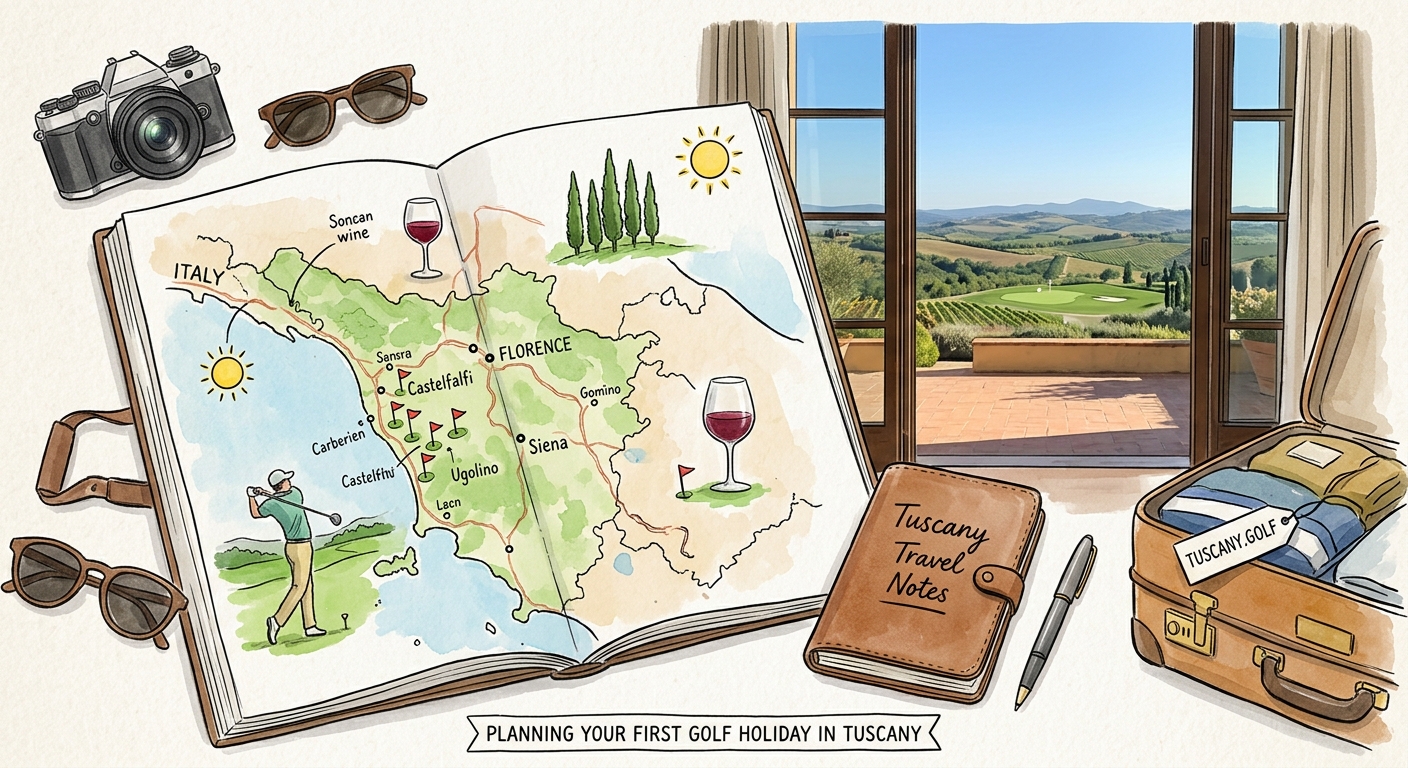
Florence sits roughly in the centre, with courses radiating outward. Pisa provides coastal access. Siena anchors the southern region. Your choice of base depends on which courses interest you most and what non-golf activities matter to your group.
The championship golf courses in Tuscany that challenge even seasoned players typically require advance booking, especially during peak season. Lesser-known layouts offer easier access but still maintain excellent conditions.
When to Book Your Golf Holiday
Timing affects everything from green fees to crowd levels.
Peak Season (April to June, September to October)
* Best weather for golf
* Courses in prime condition
* Higher accommodation rates
* Restaurant reservations essential
* Cultural sites busy but manageable
Shoulder Season (March, November)
* Lower prices across the board
* Fewer tourists at attractions
* Variable weather conditions
* Some courses close for maintenance
* Shorter daylight hours
Off Season (December to February)
* Significant discounts available
* Many courses closed or limited
* Unpredictable weather
* Reduced restaurant hours
* Quieter cultural experiences
Most first-time visitors target late April through May or September through mid-October. The weather stays reliable, courses play beautifully, and you avoid the intense summer heat that makes afternoon rounds uncomfortable.
“Book your tee times before you book your flights. The best courses fill up months in advance during peak season, and you don’t want to build an entire holiday around courses that turn out to be fully booked.” – Golf travel specialist with 15 years arranging Tuscan golf holidays
Choosing Your Courses
Match your selections to your skill level and interests.
| Course Type | Best For | Typical Cost | Booking Window |
|---|---|---|---|
| Championship layouts | Low handicappers seeking challenge | €120-200 | 2-3 months ahead |
| Resort courses | Mid-handicappers wanting variety | €80-150 | 4-6 weeks ahead |
| Parkland courses | All levels, scenic experience | €60-120 | 2-4 weeks ahead |
| Links-style coastal | Players who enjoy wind challenges | €70-140 | 4-8 weeks ahead |
Don’t overpack your schedule. Three to four rounds across five to seven days gives you proper recovery time and space for cultural activities. Tuscan courses often feature significant walking and elevation changes that tire you more than flat layouts back home.
Consider mixing difficulty levels. Start with a moderately challenging course to adjust to the climate and terrain, tackle your most demanding round midweek when you’re acclimated, then finish with something more relaxed.
Sorting Out Accommodation
Your lodging choice dramatically impacts your experience.
Golf resorts with on-site courses offer convenience. You walk from your room to the first tee, store clubs securely, and often receive preferential booking. The trade-off is isolation from authentic Tuscan towns and limited dining variety.
Town-based hotels put you in the heart of local life. You’ll eat at neighbourhood trattorias, shop at morning markets, and experience genuine Italian culture. The downside is driving 20 to 40 minutes to most courses.
Agriturismos (working farm stays) split the difference. These properties sit in the countryside, often halfway between courses and towns. Many feature their own wine production, olive groves, and farm-to-table dining.
Where to stay for the ultimate Tuscan golf holiday: a resort comparison breaks down specific properties by location and amenities.
Budget €150 to €300 per night for quality accommodation during peak season. Shoulder season rates drop 30 to 40 per cent. Always confirm whether breakfast is included, as Italian hotel breakfasts vary wildly in quality and substance.
Getting Around
Renting a car is essentially mandatory. Public transport doesn’t serve golf courses well, and taxis become prohibitively expensive for multiple daily trips.
Book an automatic transmission if you’re not comfortable with manual gearboxes. Tuscan roads feature hills, roundabouts, and narrow village streets that challenge unfamiliar drivers.
GPS navigation works reliably, but download offline maps as backup. Rural areas sometimes have spotty mobile coverage. Course addresses occasionally lead to service entrances rather than main gates, so allow extra time for your first visit to each facility.
Parking at courses is typically free and ample. Town parking requires more planning. Many historic centres ban cars entirely, with designated lots on the periphery.
Factor 30 to 45 minutes driving time between most courses and accommodation. Morning tee times mean early starts, especially if you want breakfast before your round.
Planning Your Daily Schedule
Structure matters when you’re balancing golf with sightseeing.
-
Book morning tee times when possible. Tuscan afternoons get hot from June through August. Morning rounds finish by early afternoon, leaving time for lunch and cultural activities.
-
Alternate golf days with rest days. Walking 18 holes in hilly terrain accumulates fatigue faster than you expect. Use off days for wine tours, museum visits, or simple relaxation.
-
Schedule challenging courses mid-trip. Give yourself time to adjust to the climate and terrain before tackling the most demanding layouts.
-
Reserve restaurants in advance. Popular spots in tourist areas book up quickly, especially for dinner. Your hotel concierge can help with reservations.
-
Build in flexibility. Weather changes, you might discover an unmissable local festival, or you simply need an extra rest day. Don’t pack every hour.
How to plan a week-long golf holiday in Tuscany without the stress offers detailed day-by-day frameworks you can adapt to your preferences.
What to Pack
Beyond standard golf gear, Tuscany requires some specific additions.
Golf Essentials
* Extra gloves (heat and humidity wear them out faster)
* High SPF sunscreen designed for sport
* Wide-brimmed hat or quality visor
* Lightweight, breathable golf shirts
* Waterproof jacket (weather can change suddenly)
* Comfortable golf shoes with good grip for hills
Off-Course Items
* Smart casual clothes for restaurant dining
* Comfortable walking shoes for cobblestone streets
* Adapter plugs for Italian electrical outlets
* Reusable water bottle (stay hydrated between holes)
* Small daypack for carrying purchases and layers
Many golfers ship clubs ahead to avoid airline hassles and fees. Services like Ship Sticks handle door-to-door delivery, though you’ll pay €150 to €250 each way. Rental clubs at quality courses are excellent but cost €40 to €70 per round.
Combining Golf with Tuscan Experiences
The region’s cultural wealth deserves attention even on a golf-focused trip.
Florence’s Uffizi Gallery and Duomo require just a few hours but deliver world-class art and architecture. Siena’s Piazza del Campo offers one of Europe’s most beautiful medieval squares. San Gimignano’s tower houses create an unforgettable skyline.
Wine touring fits naturally around golf. Many courses sit near renowned wine regions. Chianti, Brunello di Montalcino, and Vino Nobile di Montepulciano all lie within easy driving distance of major courses.
Where to find Tuscany’s best wine pairings after your round identifies wineries with tasting rooms convenient to specific courses.
Food experiences range from simple. A morning at a cooking class teaches you to make fresh pasta. Truffle hunting in autumn combines outdoor activity with culinary education. Even a basic trattoria meal in a small town often exceeds restaurant experiences back home.
Don’t skip the clubhouse meals. The art of the 19th hole: Tuscany’s most luxurious golf clubhouse experiences highlights facilities where the post-round meal rivals standalone restaurants.
Managing Costs
A week-long golf holiday in Tuscany typically runs €2,500 to €4,500 per person, depending on accommodation choices and course selections.
Major Expense Categories
* Flights: €200-600 return from UK airports
* Car rental: €250-400 per week including insurance
* Accommodation: €1,050-2,100 for seven nights
* Green fees: €240-600 for three to four rounds
* Meals: €350-700 depending on restaurant choices
* Wine tastings and tours: €100-300
* Museum entries and activities: €50-150
Save money by booking shoulder season, choosing agriturismos over luxury resorts, and mixing championship courses with more affordable layouts. Lunch at clubhouses costs half what dinner in town runs, and the food quality often matches or exceeds tourist-area restaurants.
Many courses offer twilight rates for afternoon tee times, though summer heat makes these less appealing than in cooler climates.
Common Mistakes First-Timers Make
Learning from others’ errors saves frustration.
Underestimating driving distances between locations wastes time and creates stress. What looks like 30 kilometres on a map often takes 45 minutes on winding rural roads.
Overscheduling golf rounds leads to exhaustion. The combination of heat, hills, and rich food affects your energy more than golf back home.
Skipping course research means showing up unprepared. Some layouts require specific shot shapes or favour certain club selections. A bit of homework helps you score better and enjoy the round more.
Ignoring Italian meal timing causes problems. Restaurants close between lunch and dinner service. Showing up at 3pm expecting a meal leaves you hungry and disappointed.
Bringing only summer-weight clothing catches visitors off guard when temperatures drop in the evening or weather turns rainy.
Practical Details That Matter
Tee time bookings usually require a deposit or full prepayment. Cancellation policies vary by course, so read the terms carefully.
Most courses provide GPS-equipped carts, though some traditional layouts are walking only. Confirm cart availability when booking if walking 18 holes doesn’t appeal.
Dress codes lean traditional. Collared shirts, tailored shorts or trousers, and golf shoes are standard. Denim, football shirts, and cargo shorts will get you turned away.
English is widely spoken at golf facilities, major hotels, and tourist restaurants. Smaller towns and rural areas require basic Italian phrases or translation apps.
Credit cards work everywhere for significant purchases, but carry cash for small transactions, tips, and parking fees. ATMs are common in towns, rare in countryside.
Mobile data roaming from UK networks works throughout Italy under current regulations. Confirm your plan includes adequate data for navigation and communication.
Making Your Golf Holiday Truly Memorable
The magic of a Tuscan golf holiday comes from unexpected moments. A conversation with a greenkeeper who grew up in the villa visible from the 14th fairway. The bistecca alla fiorentina you share at a family-run restaurant after your round. The sunset view over vineyard-covered hills as you finish your 18th hole.
These experiences don’t require elaborate planning. They emerge naturally when you build enough flexibility into your schedule to notice and appreciate them.
Start with solid fundamentals: book quality courses matched to your ability, choose accommodation that balances convenience with authenticity, time your visit for good weather, and leave room in your schedule for both golf and cultural experiences.
The rest takes care of itself. Tuscany rewards visitors who arrive prepared but remain open to spontaneity. Your first golf holiday here likely won’t be your last.