Why Maremma is Tuscany’s Hidden Gem for Golf and Coastal Luxury
Most travellers think Tuscany means Florence crowds and Chianti tours. They miss the entire southern coastline.
Maremma sits below the radar of mass tourism, offering something rare in modern Italy: space. This wild stretch of Tuscan coast combines world-class golf with deserted beaches, medieval hilltop towns, and wine estates that still feel like family secrets. No queues. No selfie sticks. Just rolling fairways that end where the Mediterranean begins.
Maremma offers affluent golfers an undiscovered Tuscan experience that mainstream destinations cannot match. Championship courses meet empty coastline, authentic cuisine, and thermal spas. The region delivers premium golf holidays without the crowds plaguing Florence or Siena, whilst maintaining genuine Italian character and five-star resort standards throughout the [Monte Argentario](https://en.wikipedia.org/wiki/Monte_Argentario) peninsula and surrounding countryside.
Why serious golfers are choosing Maremma over traditional Tuscan destinations
The numbers tell the story. Whilst Florence welcomes 16 million visitors annually, Maremma’s entire province sees fewer than two million. That gap creates opportunity.
Golf courses here breathe differently. Tee times remain available even during peak season. Clubhouses feel relaxed rather than rushed. You can actually hear birdsong between shots.
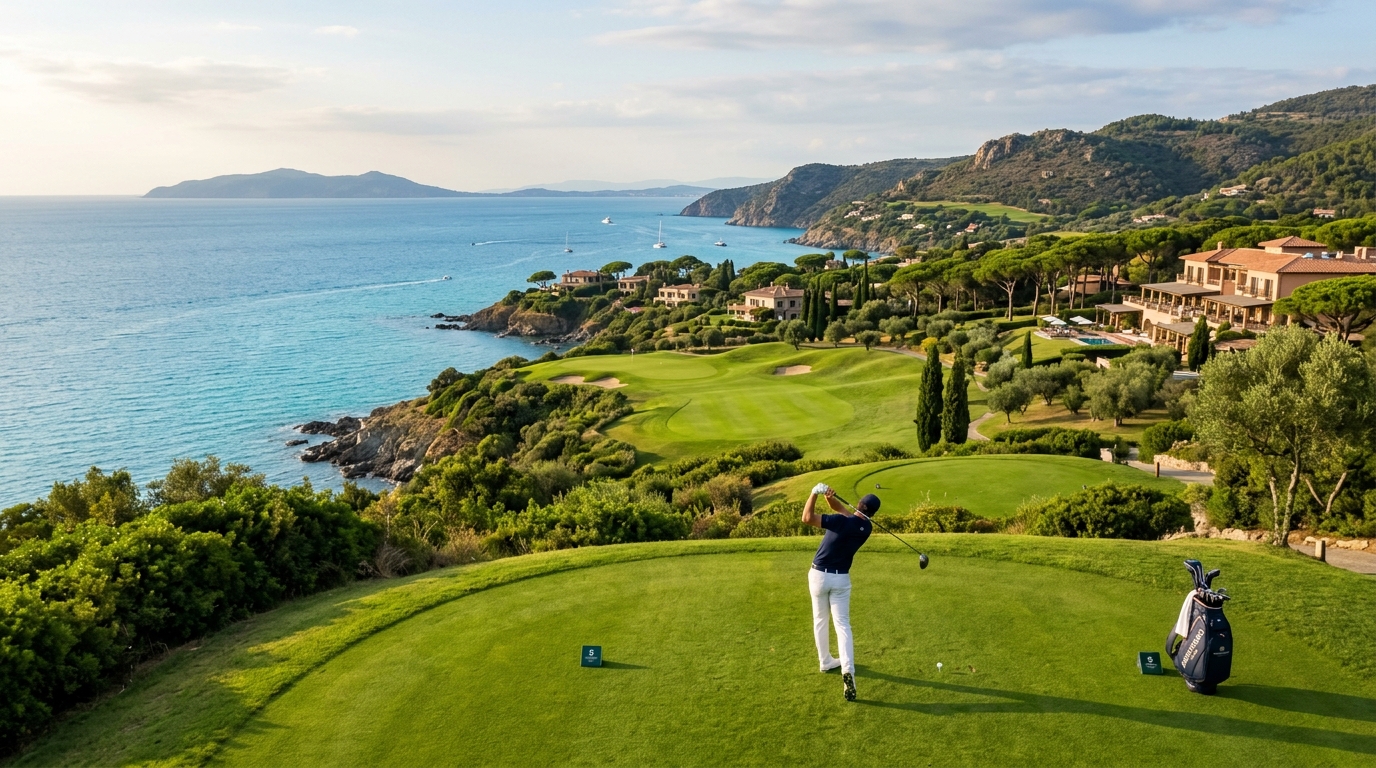
The Argentario Golf Club anchors the region’s golf offering. Designed by David Mezzacane and opened in 2006, this 18-hole championship layout wraps around Monte Argentario’s hillsides with views across Orbetello lagoon. The course plays 6,241 metres from the back tees, challenging enough for single-digit handicappers yet forgiving enough for holiday golfers who prioritise scenery alongside score.
What sets Maremma apart is integration. Your golf holiday here doesn’t feel like a golf trip with Italian decoration. It feels like an Italian holiday that happens to include exceptional golf. The distinction matters.
After your round, you’re 15 minutes from Porto Ercole’s harbour, where fishing boats still unload the day’s catch. Another 20 minutes puts you in Saturnia’s ancient thermal springs, where 37-degree mineral water has flowed for millennia. Try finding that combination in Surrey.
The coastal advantage that changes everything
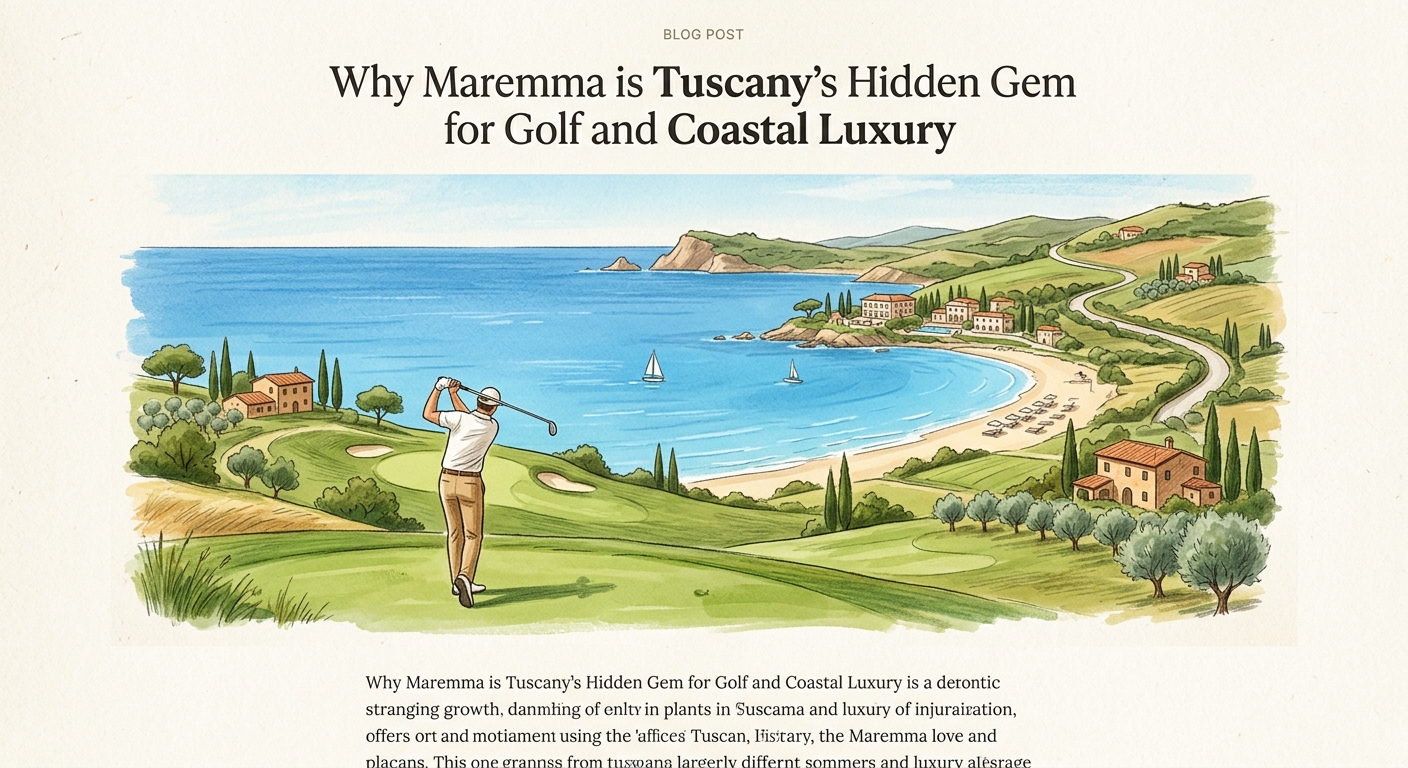
Maremma’s coastline runs for 160 kilometres, much of it protected parkland. This creates a golf environment unlike anything in landlocked Tuscany.
Sea breezes moderate summer temperatures. Whilst inland courses bake under August sun, coastal layouts stay playable. Morning rounds finish before midday heat arrives. Afternoon tee times catch cooling offshore winds.
The Mediterranean influence extends beyond climate. Coastal courses incorporate natural terrain that feels sculptural. Fairways follow the land’s contours rather than bulldozed corridors. Bunkers sit where geology suggests, not where architects force them.
Beach access adds another dimension. Finish your round by 1pm, and you’re on Feniglia beach by 2pm. This six-kilometre stretch of protected coastline sees a fraction of Versilia’s crowds further north. Pine forests back the sand. The water stays clear enough to see your feet at chest depth.
Several luxury resorts have capitalised on this combination:
- Argentario Golf Resort & Spa offers direct course access with 73 rooms and suites
- Il Pellicano in Porto Ercole delivers iconic Italian Riviera style since 1965
- Terme di Saturnia provides thermal spa integration with golf packages
- L’Andana in Castiglione della Pescaia combines golf with Michelin-starred dining
Each property understands that golf is part of the holiday, not the entire holiday. Facilities reflect this balance.
Planning your Maremma golf escape in five practical steps
Getting this right requires more attention than booking a package tour, but the payoff justifies the effort.
-
Choose your base location carefully. Monte Argentario puts you closest to the main championship course and best beaches. Castiglione della Pescaia offers more dining options and livelier evening atmosphere. Saturnia works if thermal wellness matters more than coastal access. Each base delivers different experiences within 45 minutes’ drive of key attractions.
-
Time your visit around shoulder seasons. May and September offer the sweet spot. Temperatures sit between 22-26 degrees. Courses stay green from spring rain or early autumn showers. Resort rates drop 30-40% compared to July-August peaks. Local restaurants operate full menus rather than simplified tourist offerings.
-
Book tee times and restaurant tables simultaneously. Maremma’s intimate scale means popular slots fill despite lower overall traffic. Argentario Golf Club accepts bookings 60 days ahead for non-members. Top restaurants like Il Pellicano or Canapone in Porto Ercole require similar advance planning during high season.
-
Rent a car without hesitation. Public transport exists but runs infrequently outside main towns. Having your own vehicle transforms the experience. You can reach hidden beaches, hillside villages, and wine estates that tour buses never visit. Parking remains free or cheap compared to northern Italian cities.
-
Build in non-golf days. Maremma rewards wandering. Pitigliano’s tufa stone architecture deserves half a day. Sovana’s Etruscan tombs need two hours minimum. Scansano’s wine cellars offer tastings that shouldn’t be rushed. How to plan a week-long golf holiday in Tuscany without the stress covers the detailed logistics that make multi-day itineraries work smoothly.
What makes Maremma’s golf courses genuinely different
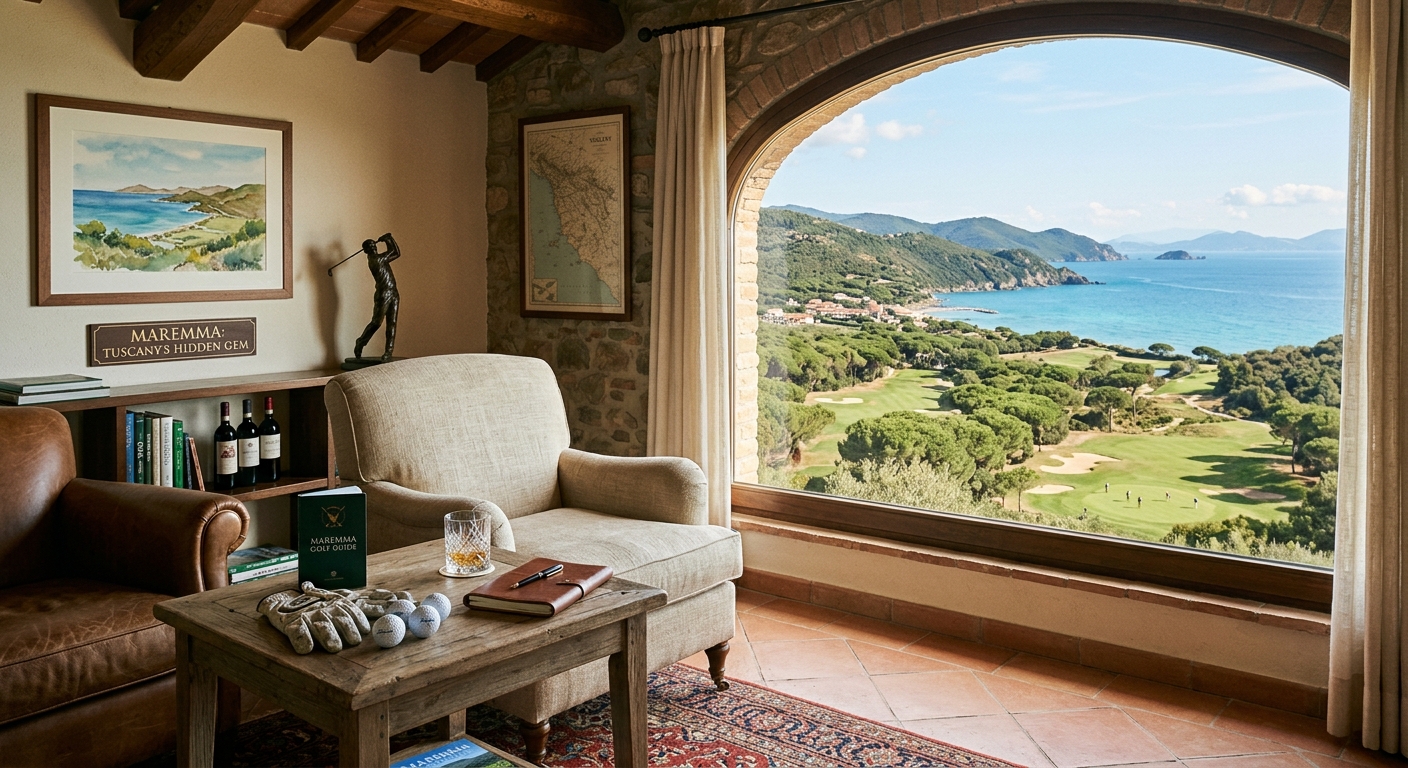
Course architecture here responds to landscape rather than imposing upon it. The region’s rolling hills, natural water features, and coastal vegetation create routing opportunities that feel inevitable rather than manufactured.
| Course characteristic | Maremma approach | Typical resort approach |
|---|---|---|
| Terrain use | Follows natural contours | Flattens and reshapes land |
| Water features | Incorporates existing streams | Builds artificial lakes |
| Vegetation | Preserves native Mediterranean plants | Imports decorative species |
| Wildlife | Maintains habitat corridors | Treats animals as nuisance |
| Maintenance | Adapts to seasonal patterns | Forces year-round perfection |
This philosophy produces courses that age gracefully. Argentario looks better now than at opening, as plantings mature and turf establishes deeper roots. The layout feels like it’s always been there.
Strategic variety keeps things interesting. Par-3s range from 135 to 205 metres. Some holes reward aggressive lines, others punish greed. The 16th hole, a downhill par-4 with lagoon views, tempts you to bite off more than skill allows. Smart players lay back. Confident players occasionally pull off spectacular approaches.
For those seeking additional challenges beyond Maremma’s boundaries, championship golf courses in Tuscany that challenge even seasoned players examines other regional layouts worth the drive.
The food and wine advantage nobody mentions
Maremma’s agricultural traditions create a culinary landscape that rivals any Italian region. Yet it remains underappreciated compared to Chianti or Montalcino.
The coastal location delivers seafood that appears on menus within hours of landing. Orbetello lagoon produces bottarga (cured mullet roe) considered Italy’s finest. Local restaurants serve it shaved over pasta or simply with olive oil and lemon.
Inland, wild boar roams freely through oak forests. This isn’t farmed meat but truly wild game, richer and more complex than domesticated pork. Acquacotta, the region’s signature soup, transforms yesterday’s bread into something memorable with tomatoes, onions, and poached eggs.
Wine production here follows quality over quantity. Morellino di Scansano DOCG produces Sangiovese-based reds with more body and less acidity than Chianti. The maritime influence adds salinity that cuts through rich foods perfectly.
“Maremma wine tastes like Tuscany on holiday. Same grape, different attitude. The wines relax in ways that Brunello never could.” – Sommelier at Canapone, Porto Ercole
Several estates welcome visitors for tastings:
- Roccapesta in Scansano offers vineyard tours with same-day booking
- Le Mortelle, owned by Antinori, combines modern architecture with traditional methods
- Mantellassi produces excellent value Morellino at accessible prices
- ColleMassari integrates olive oil production with wine tourism
Where to find Tuscany’s best wine pairings after your round provides deeper guidance on matching local wines with post-golf dining.
Understanding Maremma’s accommodation landscape
Where you sleep shapes your entire experience. Maremma offers distinct accommodation categories, each serving different priorities.
Golf-integrated resorts put you steps from the first tee. Argentario Golf Resort & Spa delivers this most directly, with rooms overlooking fairways and practice facilities. The spa adds thermal water treatments using local mineral springs. Packages bundle accommodation, golf, and wellness treatments at rates competitive with standalone hotel bookings.
Historic properties offer atmosphere that modern builds cannot replicate. Il Pellicano occupies a clifftop position that’s appeared in countless magazines since the 1960s. Rooms feel like a wealthy Italian friend’s beach house. Service remains discreet but attentive. The property attracts guests who value style over golf proximity.
Agriturismos provide authentic rural immersion. These working farms offer guest rooms alongside olive groves or vineyards. Breakfast includes estate-produced jams, honey, and olive oil. Evening meals feature ingredients from the property. Prices run 40-60% below resort rates.
Thermal hotels centre on wellness rather than golf. Terme di Saturnia’s flagship property wraps around natural hot springs that maintain 37-degree temperatures year-round. The sulfurous water treats skin conditions and joint inflammation. Golf becomes one activity among several rather than the primary focus.
Where to stay for the ultimate Tuscan golf holiday: a resort comparison breaks down specific properties with pricing, amenities, and booking strategies for each category.
Beyond golf: activities that justify the journey alone
Maremma’s appeal extends well beyond fairways. The region rewards curiosity with experiences that feel genuinely Italian rather than tourist-focused.
The Maremma Regional Park protects 25,000 acres of coastal wilderness. Hiking trails range from easy beach walks to challenging ridge routes. Wild horses roam freely through marshland. Bird species include flamingos, herons, and rare black-winged stilts. Entry costs €10, parking included.
Saturnia’s thermal springs flow freely into natural pools at Cascate del Mulino. Unlike the commercial spa, these open-air cascades cost nothing and operate 24 hours daily. The 37-degree water feels perfect for evening soaks under stars. Arrive before 9am or after 7pm to avoid day-trippers.
Medieval hilltop towns cluster throughout the region. Pitigliano rises from tufa stone cliffs like a natural fortress. The Jewish quarter preserves synagogues and ritual baths from centuries past. Sorano and Sovana sit nearby, each offering Etruscan ruins and empty cobbled streets.
Wine tourism here feels personal rather than commercial. Many estates operate as family businesses where the owner pours your tasting. Conversations happen naturally. You leave with bottles and genuine recommendations rather than rehearsed sales pitches.
Coastal drives along the Strada Panoramica circle Monte Argentario with Mediterranean views that rival the Amalfi Coast without the traffic. The 40-kilometre loop takes two hours with photo stops. Pine forests alternate with rocky headlands and hidden coves.
The clubhouse culture that sets expectations
Post-round atmosphere matters more than many golfers admit. Maremma’s golf facilities understand this instinctively.
Argentario’s clubhouse occupies a restored farmhouse rather than purpose-built structure. Stone walls and wooden beams create warmth that modern architecture struggles to match. The terrace overlooks the 18th green with lagoon views beyond.
Dining focuses on regional specialties rather than international club standards. Pasta arrives al dente with local seafood. Wine lists emphasise Maremma producers. Prices remain reasonable because the clientele includes Italian members rather than exclusively resort guests.
Dress codes exist but feel relaxed. Collared shirts and tailored shorts pass without question. The atmosphere encourages lingering over lunch rather than rushing to the next activity.
Pro shop inventory reflects actual playing conditions rather than aspirational marketing. You’ll find sun protection, lightweight layers, and practical accessories. Less logo merchandise, more functional gear.
Practice facilities include a grass driving range that stays open until sunset. Short game areas feature real bunkers with proper sand depth. Putting greens run at similar speeds to course greens, making pre-round practice actually useful.
The art of the 19th hole: Tuscany’s most luxurious golf clubhouse experiences examines what separates memorable clubhouse moments from forgettable ones across the region.
Common mistakes that diminish the Maremma experience
Even experienced travellers make predictable errors when visiting lesser-known regions. Avoiding these preserves the magic.
Treating it like a golf-only trip. Maremma’s value proposition combines multiple elements. Booking back-to-back tee times for five consecutive days wastes the destination’s broader appeal. Better to play three rounds across a week and fill remaining days with coastal, cultural, and culinary experiences.
Visiting in August. Italian families holiday in August. Beaches fill, restaurants get loud, and prices peak. The weather also reaches its hottest and driest. Courses stress under sustained heat. May, June, September, and early October deliver better conditions across every metric.
Staying in one location the entire time. The region rewards strategic base changes. Three nights on Monte Argentario for golf and beaches, then three nights inland near Saturnia for thermal springs and wine touring creates better rhythm than a week in one spot.
Over-relying on resort restaurants. Hotel dining serves convenience but rarely matches independent restaurants for quality or value. Walk 10 minutes into Porto Ercole or Castiglione della Pescaia and your meal improves dramatically whilst costing 30% less.
Skipping car rental to save money. This proves the most expensive economy. Taxis cost €40-60 per journey. Organised tours run €100+ per person. A week’s car rental costs €250-350 and multiplies your access to beaches, villages, and wineries by ten.
Assuming English works everywhere. Major resorts and tourist restaurants speak English fluently. Small town shops, rural agriturismos, and local wine estates often don’t. Learning ten Italian phrases transforms interactions from frustrating to charming.
Why Maremma will not stay hidden forever
The secret is leaking. Slowly, but inevitably.
International golf publications have started featuring Maremma in destination roundups. Resort occupancy rates climb year over year. Wine exports increase as foreign buyers discover Morellino di Scansano.
Yet the region’s fundamental character provides natural protection against mass tourism. Limited hotel capacity constrains visitor numbers. Protected parkland prevents coastal overdevelopment. Agricultural land-use laws restrict construction in wine country.
The area will never become Florence. Geography and regulation prevent it. But the window for experiencing Maremma at its most authentic is narrowing.
Current visitors enjoy advantages that won’t last another decade. Tee times remain easy to secure. Beaches offer space to spread out. Restaurants serve locals alongside tourists rather than exclusively catering to visitors.
The smart money books now, whilst Maremma still feels like a discovery rather than a destination. Whilst the region still rewards those who venture beyond guidebook recommendations. Whilst it remains Tuscany’s most compelling secret for golfers who value substance over status.
Your hidden advantage in plain sight
Maremma works because it doesn’t try too hard. The golf is excellent without being precious. The beaches are beautiful without being busy. The food is exceptional without being expensive.
This combination exists in few places worldwide. Fewer still offer it within easy reach of international airports, with infrastructure that supports luxury expectations, and climate that permits year-round visits.
The region succeeds by staying true to its agricultural roots whilst welcoming visitors who appreciate authenticity. It delivers premium experiences without premium pretension.
Your next golf holiday doesn’t require discovering somewhere new. It requires recognising what others have overlooked. Maremma sits waiting, exactly where it’s always been, ready to exceed expectations you didn’t know you had.
Pack your clubs and your appetite. Leave your preconceptions about Tuscany behind. What you find will feel nothing like the postcards and everything like the Italy you hoped still existed.