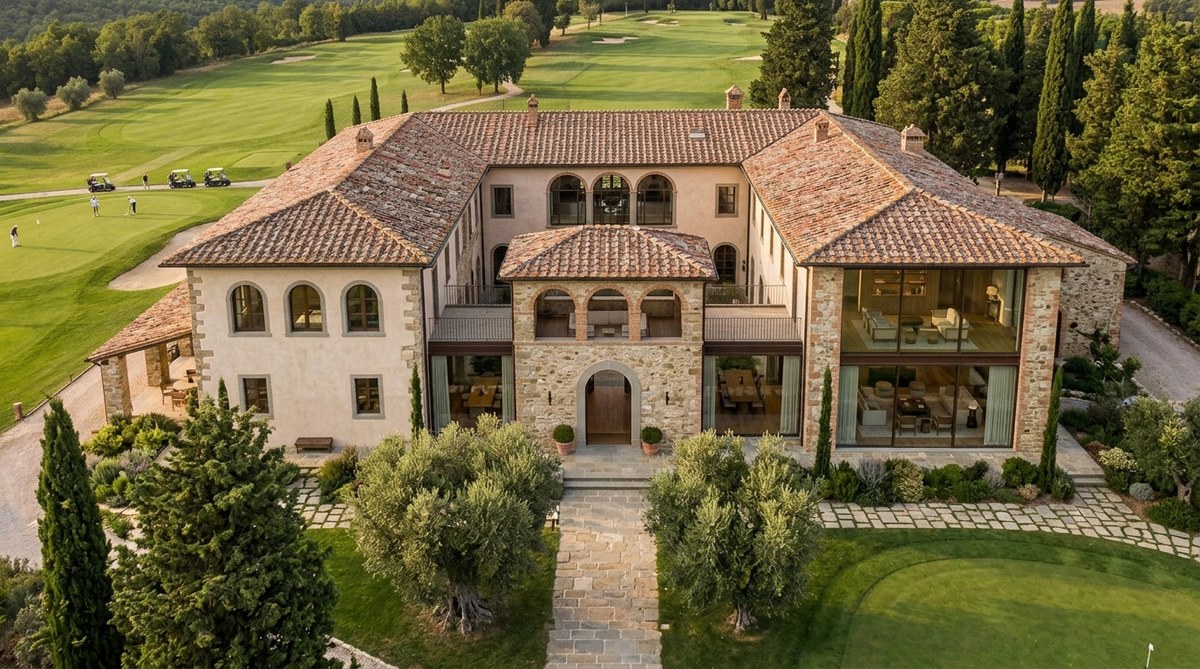
Historic Villas Transformed: The Architectural Stories Behind Tuscan Clubhouses
Tuscany’s rolling hills are dotted with historic villas that have stood the test of time. These grand estates, often dating back centuries, embody the region’s rich architectural heritage. Over the years, many of these villas have undergone stunning transformations. Their renovations reveal a fascinating blend of preservation and innovation. For enthusiasts of architecture and history, these stories offer a window into Tuscany’s evolving landscape. Each villa showcases how tradition and modernity can coexist beautifully.
Historic villas in Tuscany have been skillfully restored, combining original architectural elements with contemporary touches. These transformations preserve Tuscan heritage while adding modern comforts, making them sought-after destinations for architecture lovers and travellers alike.
The Charm of Tuscan Villas and Their Architectural Heritage
Tuscany’s villas are more than mere buildings; they are symbols of regional history and culture. Many of these estates trace their origins to the Renaissance or earlier periods. Their architecture reflects a variety of styles, from classical loggias to Baroque facades. The region’s natural beauty complements these structures, making each villa a harmonious part of the landscape.
In recent years, passionate restorations have taken these historic estates to new heights. Owners and architects work carefully to respect original design while integrating modern amenities. This approach ensures that the villas remain functional and comfortable, yet true to their roots.
How Renovations Honour Tuscan Heritage
Restoring a historic villa in Tuscany involves a delicate balance. Architects often follow these steps:
- Assessment of the original structure
- Conservation of key architectural features
- Integration of modern systems discreetly
- Use of traditional materials where possible
- Attention to landscape and gardens
The goal is to create a seamless transition between old and new. This process preserves the villa’s authenticity while making it suitable for contemporary living.
Practical Processes for Restoring Tuscan Villas
If you are considering a renovation project, here are some essential steps:
- Conduct a detailed structural evaluation to identify areas needing reinforcement or repair.
- Research the villa’s history to understand original design elements and construction techniques.
- Hire experienced architects specialising in historic restorations to guide the project.
- Source traditional or sympathetic modern materials to maintain aesthetic consistency.
- Implement sustainable solutions to improve energy efficiency without compromising character.
Techniques That Honour the Past and Mistakes to Avoid
| Techniques to Use | Mistakes to Avoid |
|---|---|
| Preserving original facades and details | Over-modernising, which erases historic charm |
| Using traditional materials for key features | Neglecting structural integrity in repair work |
| Restoring gardens to original layouts | Replacing original fixtures with inappropriate styles |
| Incorporating modern comforts subtly | Overlooking the villa’s unique architectural identity |
“The key to successful villa restoration is respecting the building’s soul. Every stone and detail should tell a story of its past,” says renowned Tuscan architect Marco Bellini.
Architectural Transformations That Tell a Story
Some villas have undergone complete makeovers that showcase innovative design while honouring their history. One notable example is a villa near Florence that was transformed into a boutique hotel. The renovation preserved the original stone facades and arched windows. Inside, contemporary furnishings blend effortlessly with exposed wooden beams and historic frescoes.
Another project involved a centuries-old estate in Chianti. A careful restoration revitalised its crumbling façade and lush gardens. Modern amenities were added discreetly, ensuring the villa’s timeless appeal remained intact. These stories demonstrate that renovation is about enhancing, not erasing, history.
The Appeal of Renovated Tuscan Villas
- They offer unique insights into regional architecture
- They blend old-world charm with modern luxury
- They serve as inspiring examples for future restorations
- They attract architecture and history enthusiasts from around the world
How to Approach a Villa Renovation in Tuscany
Planning a renovation requires patience and expert guidance. Here are three practical steps to consider:
- Research the villa’s history and architectural style.
- Consult with experts experienced in Tuscan restoration projects.
- Develop a clear vision that respects the original character while incorporating modern comforts.
Practical Tips for a Successful Renovation
- Prioritise preserving key features like frescoes, arches, and traditional flooring.
- Use local craftsmen skilled in traditional techniques.
- Incorporate energy-efficient solutions subtly to maintain aesthetic integrity.
- Pay attention to landscaping to complement the villa’s architecture.
Common Mistakes to Avoid
- Ignoring structural issues that threaten stability
- Replacing original features with generic modern alternatives
- Overlooking the importance of landscape integration
- Failing to obtain proper permits and expert advice
Embracing the Future of Tuscan Villas
Transforming a historic villa is about more than renovation; it’s about giving new life to a treasured piece of Tuscany’s identity. It requires a respectful approach that honours tradition while embracing innovation. Whether turning an estate into a luxury retreat or a private residence, the result should echo the region’s timeless beauty.
Final Thoughts on Tuscan Villa Renovations
The stories behind these architectural transformations remind us that preservation is an ongoing journey. Each project contributes to Tuscany’s enduring charm. For enthusiasts of history and architecture, these villas are living monuments. They tell stories of craftsmanship, resilience, and artistic vision.
If you’re inspired to witness or undertake such a transformation, remember that patience and expertise are vital. With the right approach, a historic Tuscan villa can become a masterpiece that honours its past and welcomes the future.
A Legacy of Architecture and History in Tuscan Villas
Transforming Tuscany’s historic villas is a celebration of its rich cultural tapestry. These renovations are more than aesthetic updates; they are a testament to regional pride and craftsmanship. As you plan your own journey through Tuscan architecture, consider visiting these transformed estates. They offer a personal connection to the region’s storied past and vibrant present.
Whether as a traveller, investor, or architecture lover, understanding the stories behind these villas enhances appreciation. Each renovation adds a new chapter to Tuscany’s architectural story, ensuring that its beauty endures for generations to come.